Portland police arrest 12 during Southeast Foster encampment removal, highlighting renewed enforcement of camping rules
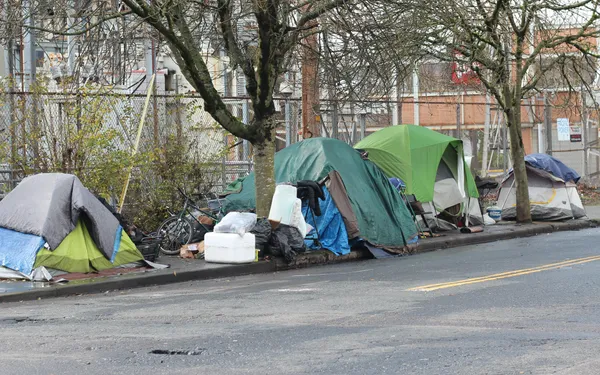
Enforcement action at SE 103rd and Foster
Portland police arrested 12 people during a single encampment removal effort in Southeast Portland on March 3, 2026, after authorities described months of neighborhood concerns tied to the location. The arrests occurred near Southeast 103rd Avenue and Southeast Foster Boulevard, where city contractors and police cleared tents, tarps and accumulated debris from the site.
Police said the 12 people taken into custody were wanted on outstanding warrants. Authorities also reported locating fentanyl during the operation. Officials characterized the number of arrests at one site as uncommon for a single encampment removal.
How the camping ordinance is designed to work
Portland’s public camping rules prohibit camping in public spaces when people have access to “reasonable alternate shelter,” and enforcement can involve police contact alongside outreach and service referrals. City policy describes enforcement as focused on restoring access to public spaces while connecting people to shelter and supportive services, with arrests generally associated with other criminal issues such as existing warrants or crimes observed during an enforcement contact.
- Camping is prohibited in specified public spaces when reasonable alternate shelter is available.
- Enforcement encounters may result in citations, and arrests can occur when officers identify outstanding warrants or other arrestable conduct.
- Encampment removals typically involve coordination among police, city bureaus and contractors responsible for cleanup.
What this case signals about targeted enforcement
The March 3 operation fits the city’s recent pattern of “targeted” camping enforcement that prioritizes specific sites identified for cleanup and safety concerns rather than broad, citywide sweeps. In recent months, city updates have framed these actions as combining outreach with enforcement, with police involvement increasing when warrant checks, public safety complaints, or reported criminal activity are factors at a location.
While the arrests were linked to warrants rather than the camping violation itself, the event underscores how quickly an encampment removal can become a criminal justice operation once police run identification checks and discover warrants. That dynamic has consequences for service access as well: people may be diverted into custody, while others may accept shelter offers or move elsewhere in the neighborhood.
Next steps and accountability questions
The city has not released detailed demographic information about those arrested or a full accounting of outcomes for everyone contacted during the March 3 action, such as how many people accepted shelter placement, how many left voluntarily, or what happened to personal property. The immediate enforcement results—12 arrests and a reported fentanyl find—are likely to intensify scrutiny of how the city selects sites for removal, the consistency of notice and outreach practices, and the balance between cleanup logistics and longer-term housing pathways.
Encampment removals can include both service offers and enforcement actions; warrants can shift outcomes rapidly from relocation to arrest.
Police arrest suspected street dealer with two loaded guns during unlawful camping enforcement in Northeast Portland