U.S. Coast Guard clears fixed-span design for I-5 Columbia River bridge replacement project
A key federal permitting decision for the Portland–Vancouver crossing
Federal regulators have cleared the way for Washington and Oregon to replace the aging Interstate 5 crossing over the Columbia River with a fixed-span bridge, removing the requirement for a movable drawbridge. The decision allows a replacement structure with 116 feet of vertical clearance for river traffic, a central design question that had been unresolved as planners advanced environmental review and engineering work.
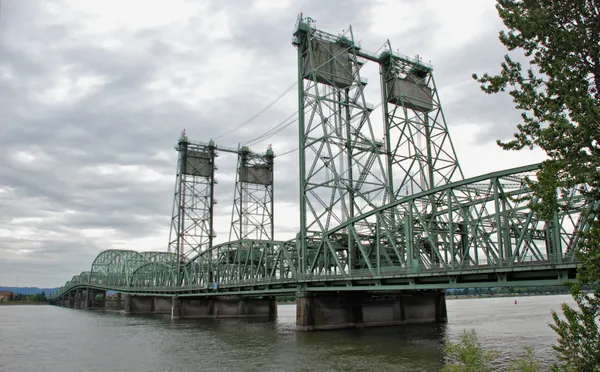
The existing Interstate Bridge is a lift-span structure that can open for marine traffic, a feature that also contributes to traffic interruptions on I-5 and operational complexity for freight and commuters. The replacement effort, organized through the bi-state Interstate Bridge Replacement (IBR) program, aims to modernize a corridor that has seen sustained growth in daily travel demand over decades.
Why bridge height and navigational clearance mattered
The U.S. Coast Guard plays a formal role in decisions affecting navigation on the Columbia River. For the I-5 bridge replacement, the principal dispute centered on how a lower, non-moving bridge would affect existing and potential future vessel traffic.
A fixed-span option is generally less complex to build and operate than a lift-span bridge. It also avoids traffic stops associated with bridge openings. Project planning documents and public statements from elected officials have indicated that a movable span would have carried a substantial additional construction cost, with estimates discussed publicly placing the difference in the hundreds of millions of dollars.
Cost pressures and the funding structure
The project’s overall price tag has been subject to revision as agencies reassess inflation, risk contingencies, and market conditions for major transportation construction. Public estimates have varied, with figures frequently described in the multibillion-dollar range.
Funding already identified for the program includes a mix of federal grants and state commitments, alongside a tolling component intended to finance a significant share of construction as well as operations and maintenance. A bi-state toll-setting process is underway through the Oregon Transportation Commission and Washington State Transportation Commission, which have established joint procedures for developing rates and policies.
Public agency timelines have not been uniform on the earliest start date for tolling, reflecting evolving schedules and dependencies. Washington’s tolling program framework for the crossing anticipates tolls beginning in spring 2027, while other program materials have described earlier timing estimates that have since been adjusted.
What comes next in the replacement timeline
The fixed-span clearance decision is expected to support completion of remaining federal reviews and to narrow engineering assumptions for the bridge’s final configuration, including approach structures and multimodal elements planned for the corridor.
- Finalize remaining environmental and permitting steps tied to the bridge design
- Advance contracting plans for major construction packages and sequencing
- Continue toll policy development, including potential discounts and exemptions
The fixed-span approval resolves one of the project’s most consequential design constraints, enabling more detailed cost and constructability planning to proceed.
The IBR program’s next milestones will focus on locking down design details and financing assumptions as the region prepares for a long-duration construction effort expected to extend into the early 2030s.