Space heater use tied to Portland apartment fire as Oregon warns of rising winter heating hazards
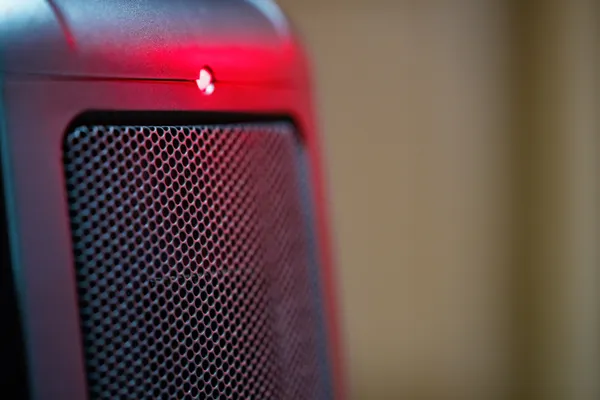
A winter safety warning following a Portland fire
A Portland residential fire has been linked to space-heater use as Oregon faces a seasonal increase in heating-related incidents. State fire officials say the first weeks of 2026 have brought multiple home fires tied to heating equipment, including a fatal Portland fire in which investigators suspected the use of an extension cord with an auxiliary space heater.
The warning comes amid below-freezing overnight temperatures, when more households rely on portable heaters, fireplaces, chimneys and other equipment to stay warm. Fire officials have emphasized that heating remains one of the leading causes of residential fires during winter months.
What investigators say happened
State investigators have described the suspected Portland case as involving an auxiliary space heater connected through an extension cord, a configuration fire agencies routinely caution against because portable heaters can draw significant power and extension cords can overheat. The Portland incident was cited as part of a broader statewide pattern of winter home fires under investigation since January 1, 2026.
In separate Portland-area incidents this season, fire crews have also pointed to items placed too close to a space heater as an initial factor in at least one apartment fire that displaced residents.
Why winter months increase risk
Heating equipment fires are concentrated in the coldest part of the year. National fire-safety data shows a large share of heating-related fires occur from December through February, reflecting heavier use of portable heaters and solid-fuel appliances, along with longer periods of unattended operation during overnight hours.
Beyond direct ignition hazards, winter heating can create secondary dangers, including blocked exits from heater placement, overloaded electrical circuits, and reduced time to escape if smoke alarms are missing or not working.
Key safety steps emphasized by fire agencies
- Keep anything that can burn—paper, clothing, curtains, bedding and furniture—at least three feet from heating equipment.
- Plug portable and space heaters directly into a wall outlet; avoid extension cords and power strips.
- Turn off portable heaters when leaving a room or going to sleep.
- Place heaters on a stable, level surface and keep them out of foot traffic without blocking exits.
- Have chimneys and heating systems inspected and cleaned annually by qualified professionals.
- Test smoke alarms regularly and address low batteries or nonfunctioning units immediately.
Winter fire investigations in Oregon have repeatedly identified two preventable factors: combustible items placed too close to heaters and unsafe electrical connections such as extension cords.
What residents can do now
Fire officials urge households using portable heaters during cold spells to review placement, electrical connections and alarm readiness before temperatures drop further. With early 2026 already marked by multiple heating-related incidents statewide, investigators and fire crews are treating space-heater practices as a central risk factor for preventable home fires.