Southeast Portland Trader Joe’s Closes After Asbestos Concerns, Triggering Cleanup and Worker-Safety Scrutiny
Store closure and immediate response
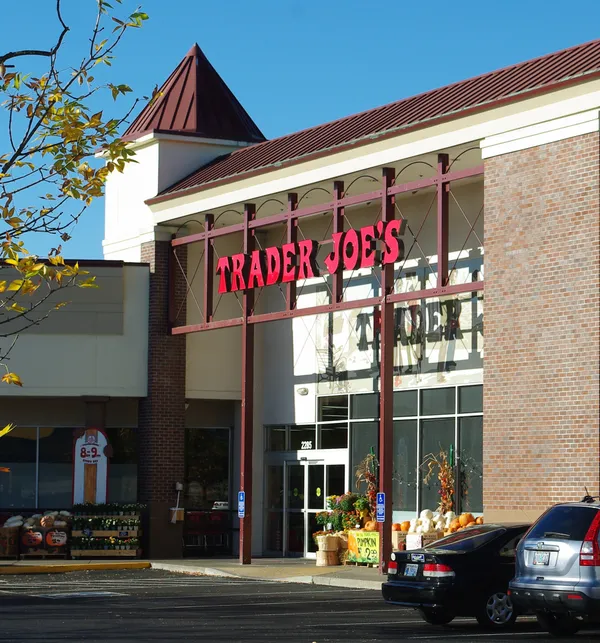
A Trader Joe’s in Southeast Portland has closed following concerns about asbestos exposure inside the building, prompting a site-specific cleanup response and renewed attention to how asbestos risks are managed during maintenance and renovation work in occupied commercial spaces.
The store affected is the company’s Southeast Portland location on Southeast Cesar E. Chavez Boulevard. The closure disrupted normal operations and shifted customers to nearby grocery options while the site is evaluated and addressed through established asbestos-control procedures.
Why asbestos triggers closures
Asbestos is a regulated hazard because fibers can become airborne when certain building materials are disturbed. Health risks associated with asbestos exposure include serious illnesses that typically develop after long latency periods. Workplace safety rules focus on preventing fibers from becoming airborne, limiting access to affected areas, and requiring specialized methods for removal or containment when asbestos-containing materials are present.
In Oregon, commercial buildings must generally be assessed for asbestos before renovation or demolition work proceeds, and abatement is regulated through licensing and notification requirements. These rules are designed to reduce the chance that dust or debris generated during work can reach workers, customers, or adjacent businesses.
What is known about exposure pathways
Public information around asbestos incidents in Portland has repeatedly centered on a common pattern: routine renovation or repair work can release dust when legacy materials are cut, ground, removed, or otherwise disturbed. Once dust is suspected, response actions typically focus on isolating the affected area, preventing further disturbance, and using trained, licensed personnel to conduct testing and mitigation.
Not every asbestos discovery leads to a significant health risk. Risk depends on whether fibers were released into the air, the duration and intensity of exposure, and whether the material involved was friable (easily crumbled) or non-friable (more stable unless aggressively disturbed). However, the operational threshold for a retailer can be stricter than the public-health threshold, particularly when a store cannot guarantee that customers and staff are protected while investigation and remediation occur.
How oversight typically works
Asbestos oversight in Oregon involves multiple layers: environmental regulators set requirements for surveys, notifications, and disposal, while workplace safety standards govern how employers protect workers during construction, maintenance, and abatement. When an incident occurs in a public-facing business, these frameworks can overlap, especially if the response requires specialized cleanup work, employee protection measures, and documentation showing that conditions meet regulatory standards before reoccupancy.
- Asbestos surveys and planning before renovation or demolition
- Containment methods to prevent airborne fiber release
- Licensed abatement procedures and regulated waste handling
- Worker protection requirements, including respirators and training when applicable
What happens next
Reopening typically depends on the completion of cleaning and remediation steps, confirmation that affected materials have been removed or contained, and verification that the space is safe for routine occupancy. In similar incidents, businesses remain closed until they can restore normal ventilation, ensure dust control, and document that corrective work has been completed under applicable rules.
Asbestos response efforts generally prioritize preventing dust from becoming airborne, restricting access, and using licensed professionals to test, contain, and remediate affected materials.
For Southeast Portland shoppers and workers, the closure underscores a practical reality of older building stock: asbestos can remain present for decades, and the key public-safety issue is not simply its existence, but how it is handled when building materials are repaired, replaced, or disturbed.
Grey Canopies and Evening Drizzles: A Quietly Damp Thursday for Portland
Downtown Portland hosted Coraline-inspired public art trail, pairing 31 cat sculptures with children’s hospital fundraising
Copper wire theft disables I-84 lighting in Portland area, prompting ODOT repairs and added security measures