Sea lion filmed beneath Portland cherry blossoms highlights seasonal wildlife activity on the Willamette River corridor
A springtime scene in downtown Portland
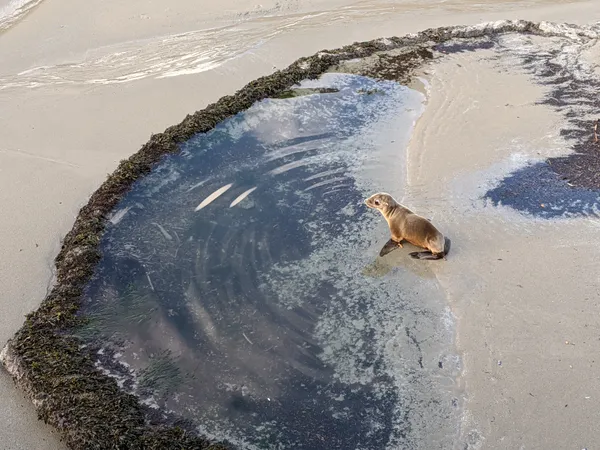
A sea lion was filmed swimming in the Willamette River near downtown Portland as cherry blossoms drew large numbers of visitors to the waterfront. The video, widely shared online, shows the animal moving along the river adjacent to the blossoming trees that line sections of Tom McCall Waterfront Park.
While the moment has been framed as an unusual pairing of city scenery and wildlife, marine mammals periodically enter Portland’s river corridor, particularly during seasons when fish are moving through the system.
Why sea lions appear in Portland’s urban waterways
Sea lions are capable of traveling long distances in search of food and can move between coastal waters and inland rivers. In Oregon’s major river systems, they are most often associated with stretches where fish are present, including migratory runs that can bring prey into or near urban areas.
Wildlife managers in the Pacific Northwest have documented sea lion presence and monitoring activity in the broader Columbia River system, which connects to the Willamette River and creates a pathway for marine mammals to range inland.
The waterfront’s cherry blossoms: a major seasonal draw
Portland’s most heavily visited cherry blossom viewing area is the north end of Tom McCall Waterfront Park, where ornamental cherry trees form a recognizable spring corridor. The site sits near the Japanese American Historical Plaza, a memorial landscape that commemorates Portland’s Japanese American history and has become a focal point for seasonal gatherings and cultural reflection.
As blossoms peak, foot traffic typically increases sharply along the riverfront paths, bringing residents and tourists to the same areas where wildlife may surface in the river.
Public safety and responsible wildlife viewing
Sea lions are wild animals. Even when they appear calm while swimming or resting, they can behave unpredictably if approached or harassed. People observing marine mammals from parks, seawalls, docks, or boats are generally advised to keep their distance and avoid actions that could alter the animal’s behavior, such as attempting to feed it, blocking its movement, or trying to attract it for photos.
- Keep space between people and any marine mammal seen near shorelines or docks.
- Avoid feeding, touching, or attempting to interact with wildlife.
- Give the animal a clear route to move away without disturbance.
A reminder of the river’s shared use
The video underscores how Portland’s downtown riverfront functions as both a civic gathering space and active habitat corridor.
As spring draws crowds to the cherry trees, sightings like this also highlight the Willamette’s connection to regional ecosystems—where urban recreation, seasonal tourism, and wildlife movement can overlap in unexpected ways.