Proposed Oregon bill would set rules for testing highly automated vehicles, potentially clearing path for Waymo
What the proposal could change
Self-driving vehicles could move closer to Oregon roads under a legislative proposal aimed at creating a statewide framework for testing “highly automated vehicles.” If adopted and implemented through state rulemaking, the approach would establish permit requirements, define who is considered the vehicle “operator” during testing, and set reporting and insurance obligations for companies developing automated-driving systems.
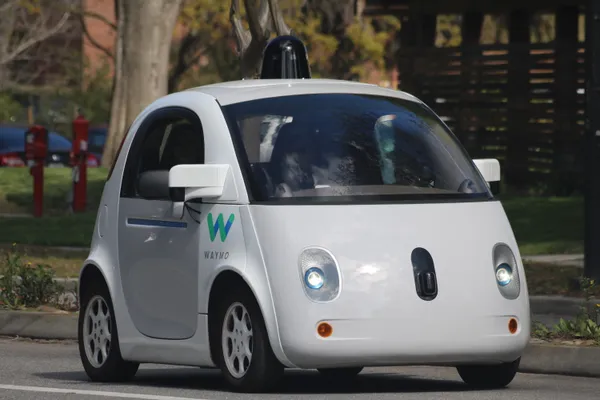
In practical terms, such a framework is a prerequisite for large-scale road testing by companies that operate autonomous ride-hailing fleets elsewhere in the United States. Waymo, Alphabet’s autonomous-vehicle unit, has expanded driverless ride-hailing operations across multiple major metro areas and has publicly described plans to lay groundwork for operations in more than 20 additional cities during 2026.
Key elements: permits, operators, insurance and reporting
The proposed Oregon testing framework centers on state-issued permits administered by the Oregon Department of Transportation (ODOT). The concept is designed to address the operational gap created when an automated driving system is engaged, especially in testing configurations that may rely on remote oversight rather than a human seated behind the wheel.
Permitting: Automated-vehicle manufacturers would need a testing permit to operate highly automated vehicles on Oregon highways under defined conditions.
Operator definition: The proposal treats a “testing operator” as potentially either an onboard operator or a remote operator, with an expectation of continuous monitoring and readiness to take control if needed.
Insurance: Additional umbrella liability insurance would be required before testing can begin.
Transparency and oversight: Companies would be required to provide collision reports and information on “disengagements,” instances in which the automated system hands control to a human operator or is otherwise taken out of automated mode.
Statewide rules and local implications
While the bill’s focus is testing, its potential implications extend to cities that could eventually see automated vehicles operating in routine traffic. A statewide permit system can shape how local agencies coordinate with autonomous-vehicle operators on issues such as emergency response protocols, roadwork zones, special events, and data-sharing expectations.
Separately, a newer Oregon proposal introduced for the 2026 session would move beyond testing concepts and address broader questions, including whether autonomous vehicles may be used for transporting people or property for hire and whether state law would preempt local rules in certain circumstances.
Where the legislation stands
The 2025 testing measure remained in committee at the close of the session, leaving Oregon without a dedicated, comprehensive permitting framework for highly automated vehicle testing on highways. Any pathway for autonomous-vehicle companies to deploy or expand operations in Oregon would depend on subsequent legislative action and the development of enforceable administrative rules.
For Portland and other Oregon cities, the immediate question is not whether driverless cars are already operating, but what legal and regulatory structure Oregon chooses to build before that occurs.