Portland’s planned 2027 cruise passenger tariff increases aim to finance long-term waterfront infrastructure improvements
A tariff-based funding plan tied to cruise arrivals
Portland’s waterfront tariff structure for cruise vessels includes a per-passenger charge and a separate per-passenger infrastructure improvement fee, with the latter designed to direct money toward capital needs on the city’s marine facilities. The schedule currently published for cruise passenger rates runs through 2025 and lists a $2 infrastructure improvement fee per manifested passenger across multiple categories of cruise operations.
For port-of-call vessels carrying more than 1,000 passengers, the published total charge rose from $15.50 per manifested passenger in 2022 to $19.00 in 2025, combining the arrival charge, a daily component, and the $2 infrastructure fee. For port-of-call vessels under 1,000 passengers, the total rose from $10.00 in 2022 to $14.00 in 2025, also including the $2 infrastructure fee.
What changes in 2027 would mean in practice
While the published passenger-rate table does not extend to 2027, the stated policy structure is clear: cruise calls generate revenue through passenger-based tariffs, and a defined portion of that tariff is earmarked for infrastructure improvements. In practical terms, any 2027 tariff increase would raise the per-passenger revenue stream that can be used to maintain and modernize city-controlled waterfront assets used by cruise operations.
- Passenger-based fees scale with ship size and the number of people on the manifest.
- A dedicated “infrastructure improvements” component is embedded as a per-passenger fee.
- The same tariff document includes additional port charges (such as equipment rentals and security rates) that can affect total costs per call.
Waterfront needs and the broader capital context
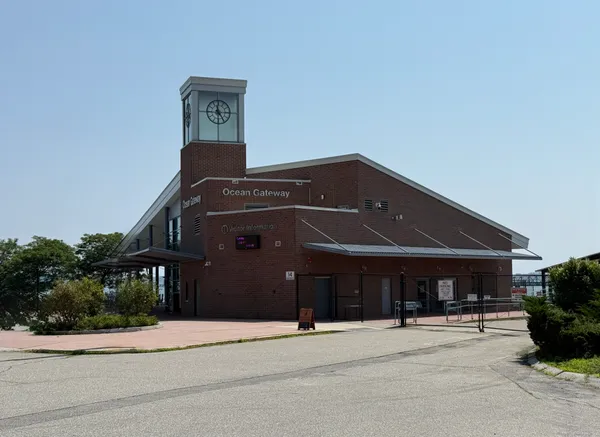
Portland’s marine terminal system includes Ocean Gateway, a purpose-built cruise terminal and pier that opened in 2008, and a deep-water pier that opened in 2011 to accommodate larger vessels. Maintaining and upgrading this kind of infrastructure typically involves recurring capital work such as pier repairs, piling and fender systems, gangways, utilities, and security-related requirements at federally regulated marine passenger facilities.
Separately from cruise-specific facilities, Portland has faced significant waterfront maintenance and navigation-related costs in recent years, including work tied to dredging and sediment management in parts of the harbor. Those kinds of projects illustrate the scale of marine infrastructure needs that can compete for public dollars and long-term planning capacity.
Key questions stakeholders will track
As Portland moves toward any 2027 tariff update connected to waterfront improvements, several verifiable issues will be central to public understanding:
- Whether the infrastructure improvement fee itself changes, the base passenger tariff changes, or both.
- How much annual revenue the higher 2027 rates are projected to generate under expected cruise-call volumes.
- Which specific projects are slated for funding and what delivery timelines are attached to them.
- How the city will report collections and spending to demonstrate that infrastructure-designated funds are used for capital needs.
Portland’s current tariff framework explicitly embeds a per-passenger infrastructure improvement fee inside cruise passenger rates, establishing a mechanism to fund waterfront capital work as cruise activity continues.
With cruise calls concentrated in seasonal peaks, the mechanics of a 2027 tariff increase will matter both for the city’s ability to pay for marine infrastructure and for how cruise operators price and plan future itineraries that include Portland.