Portland’s overnight-only shelter expansion hits 1,500-bed target as homelessness counts continue climbing
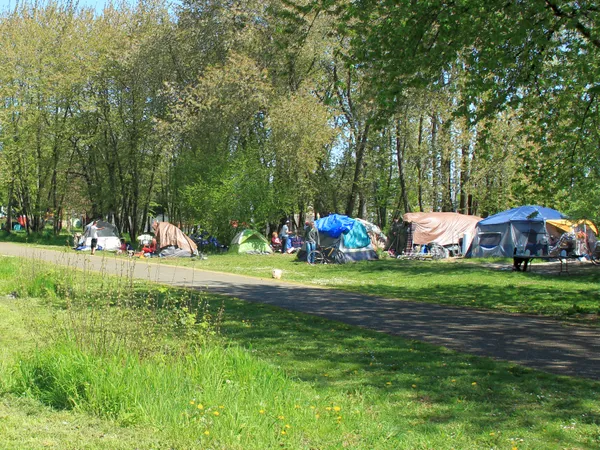
A rapid shelter buildout, alongside worsening homelessness metrics
Portland’s new mayor, Keith Wilson, took office in January 2025 after campaigning on a goal of ending unsheltered homelessness within a year. Central to his approach has been a sharp pivot toward emergency overnight shelters that open at night and close during the day, paired with an “incident command” style management structure aimed at speeding delivery and coordination.
Over the course of 2025, City Hall reported a rapid increase in overnight bed capacity. On Dec. 1, 2025, the city announced it had reached its target by creating capacity for more than 1,500 emergency overnight shelter beds—stating a total of 1,566 beds added since January 2025 through a mix of fixed sites and “flex” capacity designed to scale up or down.
What the overnight-only model is designed to do
The overnight-only shelter strategy is intended to move people indoors quickly during nighttime hours, particularly in winter conditions, and to reduce unsanctioned camping while connecting guests to longer-term pathways. The city’s plan also contemplated additional day centers—separate from overnight shelters—to provide daytime space for services and stabilization.
City leaders have framed the approach as a way to increase nightly “safe sleep” options at speed and at lower cost than building permanent facilities. The administration has also emphasized tracking shelter participation and utilization through public dashboards that are updated monthly.
Homelessness totals rise even as shelter participation increases
While overnight capacity expanded, regional homelessness totals continued to increase on newly published countywide measures. In April 2025, Multnomah County began releasing monthly counts from its “by-name list,” describing it as the most comprehensive dataset the county has compiled to date. The county reported 14,361 people experiencing homelessness as of January 2025, and later updates cited totals near 15,000 in early 2025, with thousands recorded as unsheltered and others staying in shelters or listed with unknown status.
At the city level, officials reported a steep rise in overnight shelter participation over the same period, including a year-over-year increase cited at nearly 300% in 2025. That combination—more shelter use alongside higher overall homelessness totals—highlights a core challenge: shelter growth can increase indoor options for people already unhoused, while broader inflows into homelessness can still outpace exits to stable housing.
Key numbers and policy elements shaping the debate
- Mayor Wilson’s term began in January 2025, alongside a major shift to Portland’s new form of city government.
- The city announced it had reached 1,500-plus emergency overnight shelter beds by Dec. 1, 2025, including flexible capacity intended to adjust with demand.
- Multnomah County’s monthly by-name list reporting established a higher baseline for homelessness totals in early 2025, with officials attributing increases to factors that include housing shortages, evictions, expanded services, and improved data collection.
The administration’s stated next phase is to pair emergency shelter capacity with faster movement into permanent housing, as county data continues to show more people entering homelessness than leaving it in a typical month.
What comes next
With the overnight-shelter buildout largely in place, the remaining question is whether the city and regional partners can increase the rate at which people transition from shelters and street homelessness into stable housing, while also reducing inflows driven by housing costs and instability. The county’s monthly reporting and the city’s shelter dashboards are expected to shape public scrutiny of outcomes through 2026.