Portland retiree moves to challenge proposed Trump commemorative coin as federal panels advance semiquincentennial design
A legal challenge emerges as federal design review moves forward
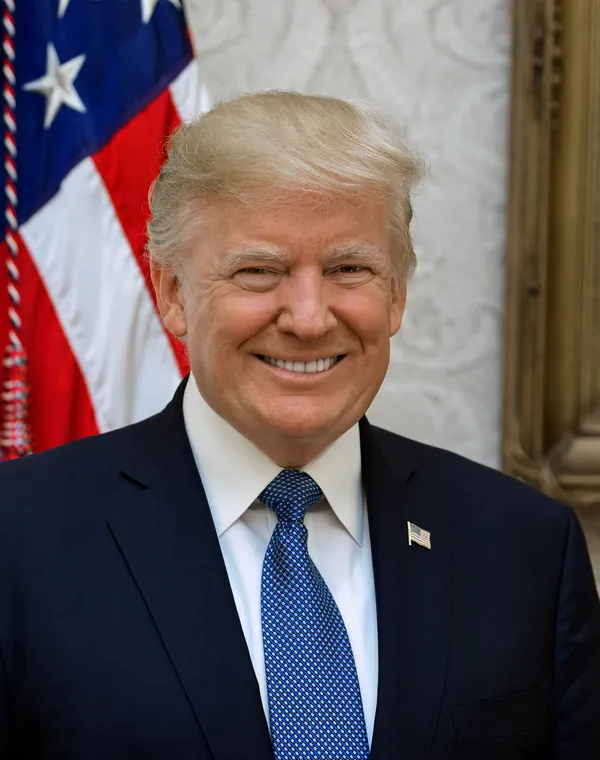
A Portland resident has taken steps to challenge a proposed U.S. commemorative coin depicting President Donald J. Trump, a plan tied to 2026 semiquincentennial observances. The move comes amid an unusual and contested federal review process for coin designs connected to America’s 250th anniversary on July 4, 2026.
The proposed piece is described as a 24-karat gold commemorative coin. In March 2026, the U.S. Commission of Fine Arts approved a design concept featuring Trump in a pose associated with the Resolute Desk, clearing an advisory hurdle that can help move U.S. Mint products toward production.
How commemorative coin designs are typically reviewed
For U.S. coinage and medals, the Treasury Department and the U.S. Mint commonly seek design input from two federal advisory bodies:
the Commission of Fine Arts, which reviews federal design and aesthetics in the nation’s capital and weighs in on currency-related designs;
the Citizens Coinage Advisory Committee, established to advise the Treasury Secretary on themes and designs for coins and medals.
In this case, the Citizens Coinage Advisory Committee declined to take up discussion of the Trump-themed coin proposal at a February 2026 meeting, a decision that underscored internal disagreement about whether a living president should appear on U.S. coinage.
Key points of dispute: precedent, legality, and process
The Portland challenger’s effort centers on concerns that the proposal departs from long-standing practice. Although commemorative issues have sometimes pushed boundaries, modern U.S. coinage rarely depicts living political figures. A frequently cited historical exception is the 1926 sesquicentennial half dollar that included President Calvin Coolidge while he was in office.
Separately, the question of what is permitted turns on how Congress structured semiquincentennial coin authorities and how the Mint interprets them. In public discussion surrounding the proposal, officials have framed the coin as part of an authorized 2026 commemorative program, while critics argue that placing a living sitting president on a U.S. coin conflicts with established norms and may invite litigation.
What happens next
The Commission of Fine Arts’ approval is an advisory step, not the final legal authorization for all aspects of production and issuance. Any lawsuit aimed at stopping the coin would be expected to test the boundaries of federal authority over commemorative designs, including whether the necessary statutory requirements and consultations were satisfied.
The underlying fight is not only about a single design, but also about how commemorative imagery is chosen for a nationally significant anniversary and which institutions ultimately control that decision.
For Portland-area observers, the case adds a local dimension to a national debate that has expanded beyond a coin—raising broader questions about symbolic representation on federal currency and the guardrails that govern it.