Portland, Maine adds regulatory roadblocks for proposed 3,300-seat music hall amid moratorium debate
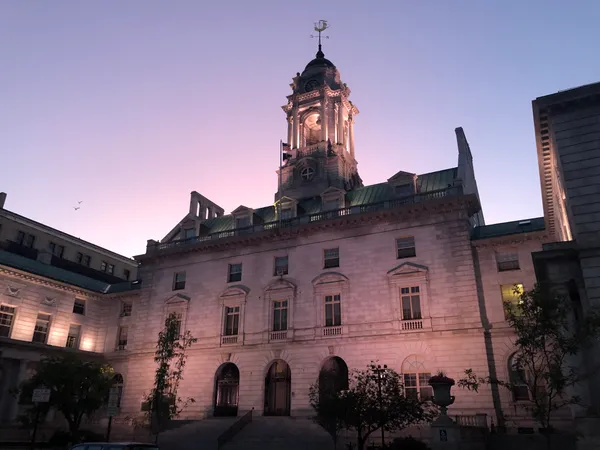
A major venue proposal runs into a shifting regulatory landscape
A proposed 3,300-seat indoor music venue in downtown Portland, Maine has faced a series of municipal delays and new procedural hurdles as city officials move to reassess how large performance halls are permitted in the urban core. The project—often referred to as the Portland Music Hall—has been advanced by developer Mile Marker Investments in partnership with Live Nation, with a planned site at 244 Cumberland Ave., near the Merrill Auditorium.
In 2025, the proposal became a focal point for broader questions about traffic, parking, public safety logistics, and the concentration of large event spaces downtown. Supporters have argued the venue would fill a mid-size gap between smaller theaters and larger outdoor or arena-scale events, while critics have raised concerns about congestion on nights with multiple simultaneous events and the potential effects on existing arts organizations.
City Council action: a time-limited moratorium on large venues
Portland’s City Council approved a 180-day moratorium covering new theaters and performance halls with capacities above 2,000 people. The stated purpose was to provide time for city review of land-use rules and potential amendments addressing infrastructure burdens—such as traffic patterns, public parking demand, and city services—along with possible impacts on the downtown creative economy.
The moratorium did not take effect immediately because it was not adopted as an emergency measure. It was structured to apply retroactively to applications filed after Dec. 1, 2024, a key detail because it captures projects proposed during that period.
Planning process: hearings, postponements, and a paused vote
The Planning Board’s review of the music hall included public meetings with substantial turnout and competing testimony from residents, venue operators, and business interests. As the moratorium advanced, procedural uncertainty increased around whether and how the Planning Board could complete review before the effective date.
Following the City Council’s moratorium vote, the Planning Board tabled action on the venue’s application rather than proceeding to a final decision, effectively placing the project into a holding pattern until the moratorium period concludes or is altered.
What the pause is intended to examine
- Whether existing rules adequately account for cumulative traffic and parking impacts when multiple venues host events on the same night
- Whether additional standards are needed to avoid clustering of large venues and prevent overburdening public infrastructure
- How permitting standards intersect with ongoing city transportation and parking policy changes
- Potential effects of a new large venue on the downtown arts ecosystem and event scheduling logistics
The project’s next steps depend on the duration of the moratorium, the scope of any code amendments, and whether the city changes the rules governing large-capacity performance spaces.
For now, the proposed venue remains in regulatory limbo: a prominent development proposal whose timeline and design review are increasingly shaped by an evolving policy debate over how Portland should manage growth in large-scale entertainment downtown.