Portland Harbor Superfund cleanup advances as in-river disposal plan intersects with Robert Pamplin’s mounting legal troubles
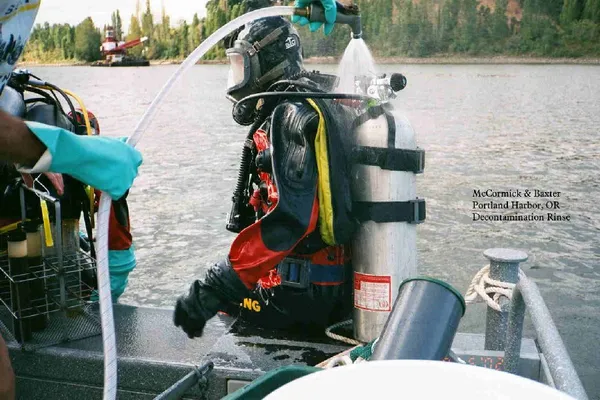
A long-delayed river cleanup faces a new logistics question
Portland Harbor—about 10 miles of the Lower Willamette River from near the Broadway Bridge to the southern end of Sauvie Island—was designated a federal Superfund site in 2000 after decades of industrial activity left contaminated sediment, banks and adjacent properties.
A final federal cleanup plan issued in January 2017 set out a combined remedy that relies on dredging, capping and natural recovery. The plan anticipates removing more than 3 million cubic yards of contaminated sediment, actively addressing hundreds of acres of contamination, and remediating miles of riverbank. The Environmental Protection Agency projected active construction could take up to about 13 years and cost on the order of $1 billion, with additional time required for natural recovery and long-term monitoring.
Why sediment disposal is central to the timetable and cost
Where the dredged material goes is a key constraint on schedule, truck traffic, and overall cost. The cleanup plan distinguishes between categories of sediment based on contaminant levels and disposal requirements. A large majority of dredged material is expected to be managed as nonhazardous, while a smaller portion—sediment classified as hazardous—would require transport and disposal at facilities permitted to handle hazardous waste.
The disposal issue has driven periodic debate over whether some nonhazardous material could be placed in engineered, in-water containment features rather than hauled long distances to landfills. Any such approach would still have to meet federal and state design standards intended to prevent contaminants from re-entering the river and to avoid interference with navigation, habitat restoration and future maintenance dredging.
- The 2017 remedy framework relies on multiple techniques: dredging, capping, enhanced natural recovery, and monitored natural recovery.
- Cleanup implementation is split between in-river work overseen federally and upland source-control work overseen by the state, aimed at preventing recontamination of the river.
A parallel storyline: an industrialist under intensifying scrutiny
At the same time, one of Portland’s most prominent industrial figures, Dr. Robert Pamplin Jr., has faced escalating legal and regulatory pressure tied to a range of business and environmental matters. Recent state actions have focused on remediation obligations linked to past riverbed mining associated with Ross Island Sand & Gravel, including compliance disputes over a reclamation schedule extending into the next decade.
Separately, federal action has targeted the handling of an employee pension plan linked to Pamplin-controlled entities. Those proceedings have included measures aimed at unwinding transactions involving industrial properties that were found to carry significant liabilities, including environmental obligations.
What happens next
The harbor cleanup has entered an engineering-and-design phase across the river’s project areas, a step that typically precedes construction contracts, detailed sampling, and final decisions on the precise mix of dredging, capping and disposal methods. As those decisions narrow, the practical question of how to manage millions of cubic yards of material—safely, legally and at manageable cost—will remain a dominant factor in how quickly Portland sees measurable improvements along the river’s industrial corridor.
The cleanup plan is designed to reduce exposure risks from contaminated sediment and riverbank areas while preventing recontamination from polluted upland sources.