Portland firefighters union warns proposed Fire & Rescue budget cuts could close stations, slow responses
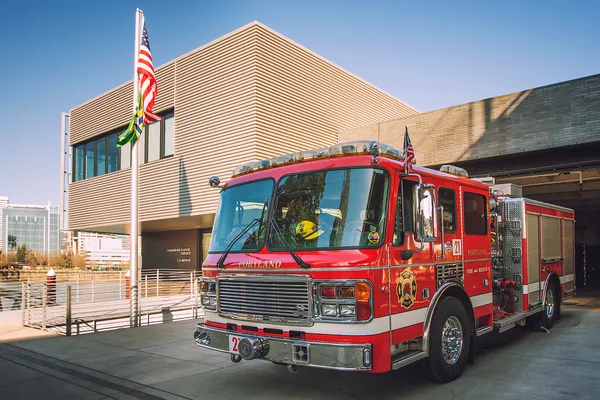
Union and bureau leaders outline potential impacts as Portland prepares next year’s budget amid revenue shortfalls
Portland’s firefighters union is warning that budget-reduction scenarios now under consideration for Portland Fire & Rescue could lead to station closures, reduced staffing on daily shifts and longer emergency response times, as city leaders begin building the next fiscal year budget.
The Portland Fire Fighters’ Association, which represents front-line firefighters, raised concerns after city budget guidance asked bureaus to prepare multiple scenarios, including deeper reductions than those requested in the prior budget cycle. Union president Isaac McLennan said cuts of the size discussed cannot be made without affecting service delivery and public safety.
City budget projections show Portland facing a gap in the General Fund driven by multiple factors, including lower anticipated business and property tax revenue, inflationary pressures and rising costs tied to labor and benefits. Earlier city budget work on the FY 2025-26 plan described a larger citywide funding gap and resulted in reductions across government, while preserving and, in some areas, adding to public-safety staffing.
What the fire bureau says could change under large reductions
In internal planning described publicly this week, Fire & Rescue leadership outlined how a large reduction could translate into operational changes. One scenario discussed would reduce the number of personnel available on a given day, which the union said could force closures of a significant share of the city’s 31 fire stations.
Portland Fire & Rescue officials have also indicated that beyond staffing, reductions could affect the bureau’s ability to maintain and replace equipment, including fire engines, and could lead to changes in how the bureau funds certain activities such as inspections.
- Potential reduction in daily operational staffing under a high-cut scenario
- Possible temporary or longer-term station closures depending on staffing levels
- Delays or reductions in fleet replacement and capital purchases
- Pressure to adjust fees for some prevention and inspection work
Response time performance and the stakes in the budget debate
The debate is unfolding alongside ongoing scrutiny of emergency response times. Recent performance reporting has shown the bureau meeting a roughly five-minute response benchmark less than half the time during the 2024-2025 fiscal year, a statistic union leaders cite as evidence that service capacity is already strained.
Fire & Rescue leadership has described the prospect of major reductions as difficult to reconcile with expectations for timely medical and fire response, especially during simultaneous incidents or large-scale emergencies.
Budget choices in public safety can translate directly into coverage decisions, including how many stations can be staffed and how quickly crews can arrive to emergencies.
How budget decision-making has shifted
The city’s budget process has changed in notable ways over the past year. Earlier budget guidance under the previous administration largely shielded 24/7 public safety bureaus from across-the-board cut targets, while the current cycle has required public safety bureaus to model reductions as part of broader deficit planning.
The next steps include the mayor’s release of a proposed budget and council deliberations over amendments before adoption. Labor leaders have urged the city to consider structural cost changes, including management reductions, alongside any service-level cuts. City officials have said the city must balance the budget while maintaining core services, but detailed bureau-by-bureau decisions will depend on the final revenue forecast and adopted spending plan.
Until those decisions are finalized, the union and bureau leadership say the operational consequences of deep reductions remain central to their warnings.