Portland Dog Recovers After Rare Brain Surgery as Veterinary Neurosurgery Expands Across Oregon
A complex procedure, a rapid recovery
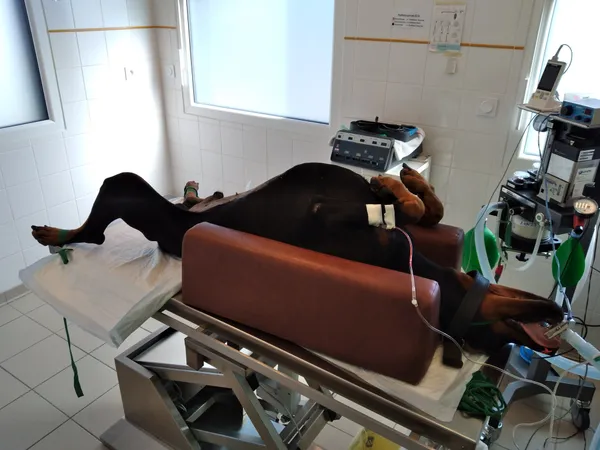
A Portland-area family has reunited with their dog after a rare and high-risk neurosurgical procedure performed at DoveLewis Veterinary Emergency & Specialty Hospital. The dog, a six-year-old named Woody, returned home days after surgeons removed a tumor that was pressing on his brain and reconstructed part of his skull.
The first signs were subtle: stumbling on stairs and hesitating before jumps. The symptoms began in August and intensified over the following months. By November, advanced evaluation identified a rare bone tumor on the skull that was compressing brain tissue—an anatomical problem that can produce neurological changes when pressure affects areas responsible for coordination and movement.
Inside the operation: removing the tumor and rebuilding the skull
Woody underwent surgery on December 8. The operation combined tumor removal with cranial reconstruction, using titanium mesh to rebuild part of the skull after the mass was excised. Veterinary neurosurgery of this type requires careful planning, advanced imaging, and coordination across teams responsible for anesthesia, surgical technique, and critical post-operative monitoring.
Following the procedure, the hospital provided continuous monitoring while clinicians managed pain control, neurologic status, and routine functions such as eating and mobility—key markers in post-neurosurgical recovery.
The case reflects a growing ability in specialty veterinary hospitals to pair advanced diagnostics with complex surgery, including reconstruction techniques more commonly associated with human medicine.
Within three days, Woody was reported to be walking and eating normally and was discharged home. His care team described the tumor as slow-growing, a factor that can influence prognosis depending on type, location, and completeness of removal.
Why these cases are becoming more visible
Neurosurgery in animals remains specialized, but the regional footprint is expanding. In Portland, DoveLewis has increased capacity for advanced diagnostics and specialty services, including neurology supported by MRI imaging. Elsewhere in Oregon, veterinary referral centers have begun offering additional neurosurgical procedures and building imaging capability to support neurological care.
What pet owners may notice first
- Loss of balance or coordination (stumbling, missteps, hesitation with stairs)
- Head tilt or new gait changes
- Sudden changes in activity level or comfort with jumping and running
- Episodes that could indicate seizures or acute neurologic events
Cases like Woody’s illustrate how early, seemingly minor changes can prompt evaluation that leads to definitive treatment—particularly when advanced imaging can pinpoint a structural cause and specialized surgery is available.
For Portland-area pet owners, the broader implication is practical: more neurological and neurosurgical options are being offered locally and regionally, though access may still depend on case complexity, available specialists, and the cost of advanced diagnostics and surgery.