Portland considers new monthly transportation utility fee and utility street-damage charge to fund road repairs
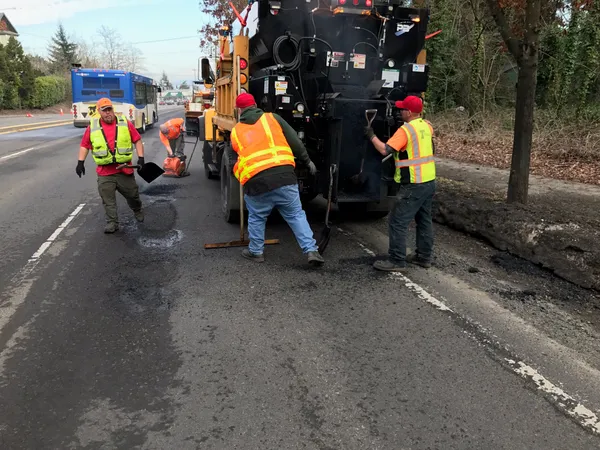
Two-fee package could add up to $68 million a year for basic transportation maintenance
Portland city officials are weighing a pair of new fees designed to stabilize funding for street and sidewalk upkeep, with the larger of the two intended to generate about $47 million annually for road repairs. The proposal is being developed amid a widening gap between transportation maintenance needs and the city’s discretionary revenue available for basic operations.
The framework discussed in early March would combine (1) a transportation utility fee paid monthly by residents and (2) a separate street damage restoration fee assessed on utility franchise companies that use the public right-of-way. Together, the package has been described as raising up to $68 million per year, depending on final rates adopted.
How the proposed fees would work
Under the scenario advanced for further consideration, the transportation utility fee would be collected monthly and added to water and sewer bills. The draft rates discussed would set the charge at $12 per month for a single-family household and about $8.40 per month for renters. City estimates indicate this component would raise approximately $47 million per year.
The second component, the street damage restoration fee, would apply to utility companies operating in Portland. The recommended rate under the same scenario is projected to raise about $22 million annually, reflecting the city’s position that utility work in streets and the right-of-way contributes to pavement impacts that require restoration.
Why Portland is pursuing new revenue
Portland’s transportation bureau manages an estimated $21 billion in assets and operates with an annual budget of about $586 million. The bureau has reported that only a portion of its budget is flexible enough to support core maintenance and operations, with many revenues restricted for specific uses such as grants, permits, and system development charges.
The bureau’s general transportation revenue has relied heavily on sources tied to driving and parking. City materials describe fuel-tax revenues as flattening over time and note that the purchasing power of local gas-tax revenue has been reduced by inflation. The bureau also reports that it has cut tens of millions of dollars in general transportation revenue-backed expenses between fiscal years 2020 and 2025, depleted reserves since 2019–2020, and holds a transportation maintenance backlog estimated at roughly $6 billion.
Public process and next decision points
City staff conducted four district open houses between Feb. 19 and March 3, 2026, alongside an online survey that closed March 4. Feedback from that outreach was presented to the Transportation and Infrastructure Committee on March 9.
Staff are preparing an ordinance and a resolution for consideration by the Finance & Governance Committee (Committee of the Whole) on April 2, 2026. City materials indicate the ordinance would create a new transportation utility fee and the resolution would affirm council support for a street damage restoration fee. If advanced, the final package could move to the full City Council the following week.
- Proposed residential transportation utility fee rates discussed: $12/month for single-family households; about $8.40/month for renters.
- Estimated annual revenue from the utility fee: about $47 million.
- Estimated annual revenue from the street damage restoration fee: about $22 million.
- Next scheduled committee consideration: April 2, 2026.
City documents describing the outreach process indicate resident priorities emphasized pothole repair, closing sidewalk gaps, street maintenance, and overall safety.
If adopted, the fees would represent a new recurring funding stream intended to support basic maintenance functions such as paving, pothole repair, sidewalk work, and related transportation operations.