Portland-area gasoline moves above $5 at some stations, reshaping rideshare drivers’ costs and choices
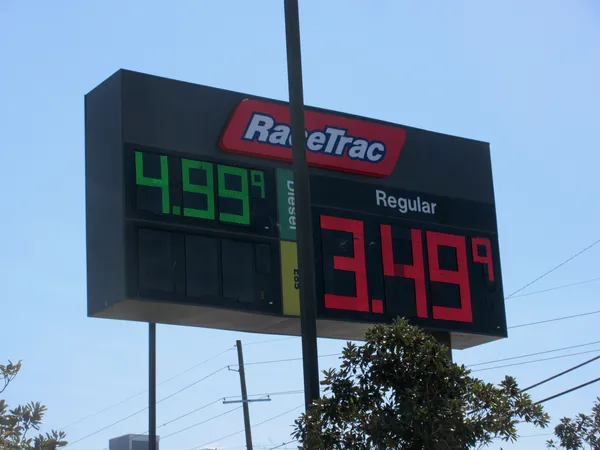
Prices rise unevenly across the region as global supply concerns push costs higher
Gasoline prices in the Portland metro have climbed sharply in March, with some stations posting regular unleaded above $5 per gallon—an important threshold for residents who drive for work and for riders who rely on app-based transportation. While statewide and metro-area averages can remain below that mark, the presence of $5-plus prices in parts of the market can change behavior because rideshare drivers typically refuel frequently and track day-to-day price differences closely.
The broader backdrop is a fast-moving national surge in fuel prices that accelerated during March amid heightened geopolitical risk affecting oil markets. National average gasoline prices rose rapidly over short periods in early March, a pattern that tends to be amplified on the West Coast due to refining and supply logistics that can tighten regional inventories and widen price swings.
Why rideshare drivers feel the increase immediately
For rideshare drivers, fuel is a direct operating cost that can be difficult to pass through in real time. Unlike many traditional transportation businesses, most individual drivers cannot set prices per trip. Earnings are shaped by platform pricing, passenger demand, and driving time, while fuel costs are paid upfront at retail rates.
When pump prices jump, drivers often respond by reassessing when and where they drive, focusing more on trips likely to produce higher net earnings after expenses. In practice, that can mean fewer miles driven during slower periods, more time waiting for higher-value requests, and greater attention to trip length and routing efficiency.
Operational adjustments drivers commonly make when fuel spikes
Shifting hours toward higher-demand windows to reduce unpaid “deadhead” miles between fares.
Prioritizing shorter pickup distances to limit fuel burned before a paid trip begins.
Targeting denser areas and event-driven demand where trip volume can reduce idle time.
Increasing use of fuel rewards programs and price-comparison tools to minimize per-gallon cost.
Re-evaluating vehicle choice, including whether higher-mpg vehicles or hybrids meaningfully improve net income.
What this can mean for riders and the market
When a significant share of drivers reduces hours or selectively accepts trips, riders may see longer wait times during off-peak periods and in lower-density neighborhoods, even if peak times remain well served. The impact is not uniform: airport runs, commute peaks, and major weekend demand centers may still attract enough drivers, while less predictable demand can be harder to cover profitably when fuel costs rise.
For gig drivers, a rapid rise in gasoline prices functions like an immediate pay cut unless trip earnings rise at the same pace.
In the near term, the key variable for both drivers and riders is whether elevated prices persist or recede. If prices stabilize at higher levels, the market may adapt through sustained schedule changes, increased emphasis on fuel-efficient vehicles, and shifts in where service is most consistently available across the Portland area.