Portland and South Portland police texts with federal agents raise questions amid Maine immigration surge operation
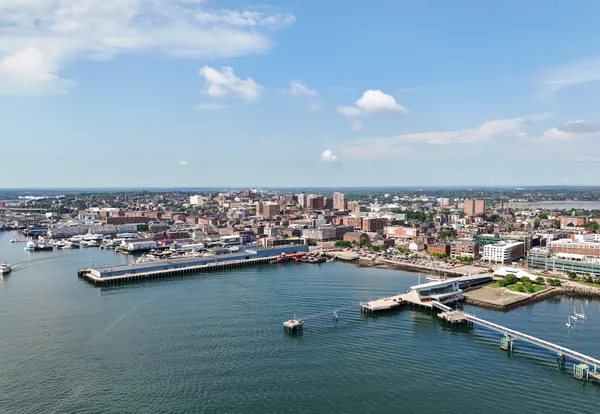
Texts show local police contact with federal immigration personnel during January enforcement operation
Portland and South Portland police officials exchanged text messages with a federal immigration agent during a January 2026 immigration enforcement surge in Maine, communications that surfaced as residents and elected officials pressed for clarity about how the operation unfolded and what role, if any, local departments played.
The messages span Jan. 21 to Jan. 26, a period that overlapped with heightened federal activity in and around Portland and other Maine communities. During that week, federal authorities publicly said the operation resulted in more than 200 arrests statewide. The enforcement activity drew protests and a wave of community reports of agent sightings, particularly in the Portland area.
Safety coordination and protest monitoring appear in the messages
The texts indicate that police leaders in Portland and South Portland were part of a group chat that included a federal immigration agent while federal personnel were operating locally. The exchanges referenced practical coordination during the agents’ stay, including efforts to help keep federal personnel safe at a hotel and to track protest activity nearby.
The appearance of these conversations has added complexity to earlier public statements from local agencies emphasizing that municipal police do not conduct federal immigration enforcement and do not routinely work collaboratively with immigration authorities. In Maine, municipal police departments commonly frame their approach as focused on local public safety and state law enforcement, rather than civil immigration matters.
Surge drew public backlash and scrutiny of interagency communications
The January operation triggered heightened concern among immigrant communities and prompted responses from state and local leaders who said they had not received detailed advance briefings about federal plans. At the same time, demonstrations near locations associated with federal activity led to law-enforcement responses, including arrests during a protest outside Portland hotels on Jan. 24.
Separately, city communications and public statements during the period reflected tensions around crowd control, the visibility of federal tactics, and residents’ attempts to document enforcement activity. In early February, South Portland’s city council adopted a resolution addressing community safety concerns tied to federal immigration enforcement activity and the confusion created by contrasting federal and local public-safety practices.
What remains unclear
Key questions remain about the boundaries between situational coordination and operational collaboration. The texts show contact and information-sharing during an active federal operation, but they do not, on their own, establish whether local officers took part in immigration arrests or exercised authority on behalf of federal agencies.
Going forward, the episode is likely to intensify calls for clearer documentation of when and how local departments communicate with federal immigration agencies, what information is shared, and what safeguards are used to ensure consistency with local policy and community expectations.
Timeline: The relevant text exchanges are dated Jan. 21–26, 2026, during the period of the federal immigration enforcement surge in Maine.
- Jan. 20–24, 2026: Federal authorities reported 206 arrests during the operation.
- Jan. 24, 2026: Six people were arrested during a protest outside Portland hotels.
- Feb. 3, 2026: South Portland adopted a resolution addressing community safety and federal immigration enforcement activity.