PDX security lines remain manageable during DHS funding shutdown, while delays surge at major U.S. airports
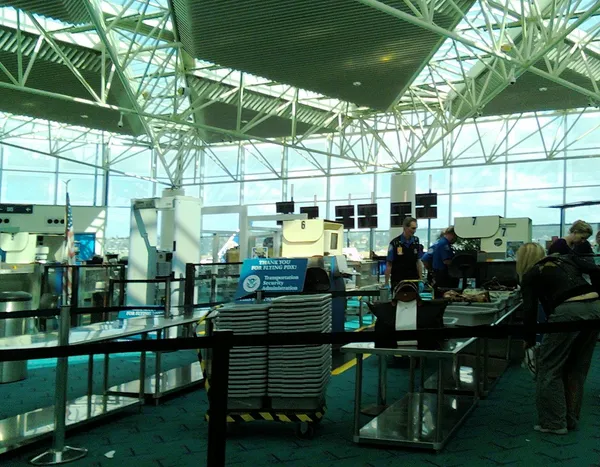
Portland’s airport reports typical screening conditions as some U.S. hubs face multi-hour lines
Security screening at Portland International Airport (PDX) has remained within a range consistent with normal day-to-day fluctuations, even as a Department of Homeland Security (DHS) funding lapse has contributed to staffing pressure and longer screening lines at several major U.S. airports.
PDX’s publicly posted checkpoint estimates have continued to show comparatively modest waits at times when airports in other regions have advised travelers to arrive significantly earlier than usual because of security backups. The contrast highlights how the shutdown’s operational effects are uneven across the national aviation system and can vary by airport size, passenger surges, staffing levels, and checkpoint layout.
What the shutdown changes at airports
During a DHS funding shutdown, Transportation Security Administration (TSA) officers are designated essential personnel and continue working, but pay disruptions can increase attrition and unscheduled absences. As the shutdown has extended, multiple U.S. airports have reported longer-than-average lines and, in some cases, have urged travelers to budget several additional hours for screening during peak periods.
Separately, TSA’s digital wait-time ecosystem has experienced interruptions during the funding lapse, limiting the consistency of national, app-based “real-time” information for some travelers. In that environment, airport-operated wait-time displays and airport websites have become a primary reference point for many passengers planning their arrival time.
PDX operations: wait times posted by checkpoint
PDX continues to publish estimated wait times by checkpoint and lane type, reflecting that passengers can access all gates from either main checkpoint. The airport has also reminded travelers that construction-related changes inside the terminal can lengthen walking distances between concourses and exits, adding time to the overall pre-boarding process even when security queues are short.
For travelers, that means total “curb-to-gate” time at PDX can be driven as much by parking, drop-off congestion, ticketing, bag check, and longer interior walks as by screening itself.
Why impacts differ from airport to airport
Passenger volume spikes: Spring travel periods can create pronounced peaks that amplify small staffing shortfalls.
Checkpoint configuration: Airports with fewer checkpoints or limited lane redundancy can experience sharper slowdowns.
Workforce resilience: Local staffing depth and the ability to backfill absences can determine whether delays remain modest or cascade into hours-long waits.
Key takeaway for travelers: conditions can change quickly during a shutdown, and an airport performing smoothly on one day can see longer lines the next during peak demand.
Planning guidance for departing passengers
Given the national volatility, travelers departing PDX are best served by checking same-day checkpoint estimates, accounting for additional walking time due to construction, and building extra buffer time for mornings, weekends, and holiday-period surges. Travelers without compliant identification should also allow additional time for the screening process, as TSA procedures for passengers who arrive without acceptable ID can extend checkpoint processing.