Oregon Zoo’s Stumptown Fil, a resident beaver, predicts six more weeks of winter for Portland
A Portland twist on Groundhog Day
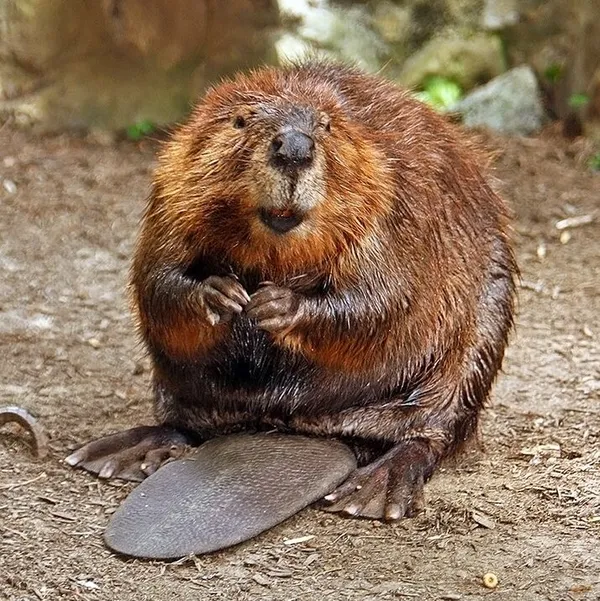
Portland’s annual Groundhog Day ritual again featured an unconventional forecaster: Filbert, a North American beaver at the Oregon Zoo known publicly as “Stumptown Fil.” On Feb. 2, 2026, the zoo announced Filbert’s prediction of six more weeks of winter, extending a lighthearted local tradition that mirrors — and sometimes playfully competes with — the better-known Groundhog Day events elsewhere in the United States.
Filbert has served as the zoo’s seasonal “prognosticator” since 2020. The presentation typically relies on a simple choice between two prepared options representing an early spring or a longer winter. For 2026, the zoo said the beaver’s selection aligned with the “six more weeks” outcome.
Who is Filbert, and why a beaver?
Filbert was born at the Oregon Zoo in 2011 and shares a habitat with another beaver, Maple. Zoo staff have framed the choice of a beaver as a regional alternative to a groundhog, noting that groundhogs are not native to Oregon while beavers are closely tied to the state’s identity and ecology.
The zoo has also highlighted Filbert’s role in public engagement beyond the annual forecast. It has pointed to his visibility in educational programming and his participation in a 2015 research effort connected to Oregon State University’s beaver genomics work.
Track record and what the “furcast” can and cannot do
While the event is a tradition rather than a scientific forecast, zoo staff have described Filbert’s record as mixed over time — a point the zoo has also emphasized in past years when comparing the limitations of animal-based predictions to formal meteorology.
In earlier editions of the event, staff recounted instances where an “early spring” call was followed by late-season winter weather that disrupted normal operations, underscoring the symbolic nature of the annual prediction and the region’s variable late-winter conditions.
Beavers’ broader role in Oregon’s landscape
The zoo’s Groundhog Day programming frequently uses Filbert’s popularity to discuss beavers’ ecological impact. Beavers are widely recognized for shaping waterways and wetlands through dam-building and wood-gathering behavior, which can influence habitat conditions for other species.
Historically, beavers in the Pacific Northwest faced steep population pressures from trapping and habitat loss. In the decades since, restoration and wildlife management measures have been credited with helping populations rebound in many areas.
Date of the 2026 prediction: Feb. 2, 2026
Predicted outcome: six more weeks of winter
Forecaster: Filbert (“Stumptown Fil”), a beaver born at the zoo in 2011
Each year’s prediction functions primarily as a community tradition and educational hook, rather than a replacement for weather forecasting.