Oregon Zoo welcomes young polar bear Kallik after transfer plan to strengthen managed population diversity
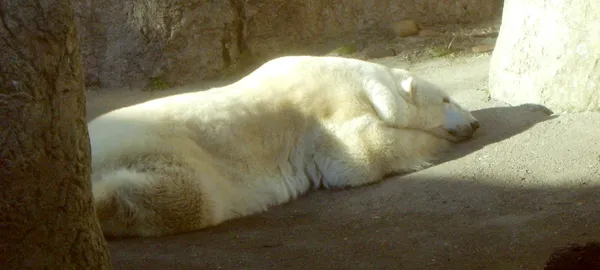
New arrival at Polar Passage
The Oregon Zoo has added a new resident to its Polar Passage habitat: Kallik, a 3-year-old male polar bear who recently relocated to Portland from the Saint Louis Zoo. Zoo staff introduced Kallik to the public habitat on January 16, 2026, documenting his first exploration of the exhibit, which includes chilled saltwater pools and spaces designed for swimming and land-based activity.
Kallik’s move is part of a coordinated, multi-zoo plan intended to support a sustainable and genetically diverse polar bear population in human care in the United States. The transfers are being organized among Association of Zoos and Aquariums (AZA)-accredited institutions through a national collaboration focused on long-term population management.
Why the move happened now
Kallik was born on November 11, 2022, at the Toledo Zoo & Aquarium. In March 2025, he and his twin brother, Kallu, moved to Saint Louis, where both were housed in the zoo’s polar bear complex. Kallik’s transfer to Portland follows a timeline that had been publicly outlined months earlier, with plans indicating a late-2025 move window that ultimately culminated in his arrival and debut at Oregon Zoo in mid-January 2026.
Zoo personnel have described Kallik as an active, curious animal that has already begun using both pools in his new habitat. As a young male, he is still expected to grow substantially as he matures.
Managed care strategy and the national polar bear population
The transfer also aligns with species life-stage considerations. Male polar bears typically become more independent as they approach adulthood; separating siblings in managed care can reflect that natural shift and support appropriate development and social management practices.
Polar bears are listed as threatened under the U.S. Endangered Species Act. In the U.S. zoo community, coordinated breeding and transfer decisions are used to maintain a viable “safety net” population while also supporting broader conservation goals linked to polar bear habitat pressures in the Arctic.
Related transfer: Nora’s departure from Portland
Kallik’s arrival connects to another recent move involving Oregon Zoo’s longtime polar bear, Nora. Under the same coordinated plan, Nora was transferred from Portland to Henry Vilas Zoo in Madison, Wisconsin. Henry Vilas Zoo has described the relocation as a complex, cross-country move combining air and ground transport. Nora is 10 years old, born November 6, 2015, and had been a prominent animal at the Oregon Zoo in recent years.
- Kallik arrived in Portland from the Saint Louis Zoo and entered the Polar Passage habitat on January 16, 2026.
- The move is part of a national, AZA-accredited population management plan aimed at long-term genetic diversity.
- Nora, a 10-year-old female polar bear, has been relocated from Oregon Zoo to Henry Vilas Zoo in Wisconsin under the same coordinated plan.
Zoo staff have reported that Kallik has already been exploring the exhibit and using the habitat’s chilled pools, indicating early acclimation to the new environment.
The Oregon Zoo has not announced any additional polar bear transfers beyond the moves already completed, and Kallik is now the zoo’s featured polar bear in Polar Passage as he continues to settle into the habitat.