Oregon leaders back Senate Bill 1501 framework to fund $600 million Moda Center renovations
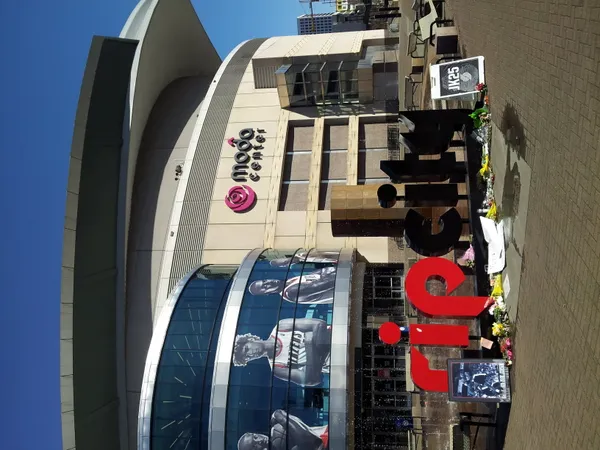
State and local leaders outline a financing framework tied to arena-generated tax revenue
Oregon Gov. Tina Kotek and Portland Mayor Keith Wilson testified Feb. 11 before the Oregon Senate Committee on Rules in support of Senate Bill 1501, legislation that would authorize the Oregon Department of Administrative Services to enter agreements to own and operate Portland’s Moda Center and to create a dedicated “Oregon Arena Fund.”
The measure is designed as a framework for a multi-jurisdictional deal involving the state and the City of Portland, with the goal of financing a major renovation of the 1995 arena—often described in public discussions as a roughly $600 million project—while limiting any state obligation to money deposited into the new fund.
What Senate Bill 1501 does—and does not do
As introduced, SB 1501 would establish the Oregon Arena Fund in the State Treasury and redirect certain tax revenues connected to work in and around the Moda Center into that fund. The bill also allows the state to participate in agreements related to arena ownership and operations, while specifying that agreements may not pledge or obligate state money beyond funds available in the Oregon Arena Fund.
Supporters described the bill as an initial step rather than a final financing package. Testimony and public descriptions emphasized that the concept relies on capturing taxes generated by athletes, performers and related economic activity at the venue, then reinvesting that revenue in the facility.
Public testimony highlighted economic stakes and a team-lease timeline
In testimony, Kotek and Wilson framed the proposal as part of a broader strategy to keep the Portland Trail Blazers in the region and to maintain the arena’s role as a major sports and entertainment venue. The Moda Center hosts NBA games as well as concerts and other events, and it is regularly cited by public entities as a significant driver of jobs and regional economic activity.
The Blazers’ arena situation has been shaped by existing lease arrangements that keep the team at the Moda Center through at least 2030, under a bridge agreement approved by the Portland City Council in 2024. That agreement extended the team’s commitment while creating additional time to pursue a longer-term public-private partnership and a larger renovation plan.
Support and opposition focus on who pays—and who benefits
At the hearing, supporters from state, city and county leadership argued the project would protect an existing public asset and sustain an economic hub. Local leaders also referenced potential contributions from city and county sources, including revenue associated with arena attendance such as ticket-related charges, parking, and other venue-adjacent fees discussed publicly.
Opponents raised concerns that public resources could be redirected to support improvements that, in their view, should be funded primarily by team ownership and private investors—especially given the scale of professional sports franchise valuations.
Key questions still unresolved
The final renovation scope, timeline, and construction phasing, including how events would be hosted during major work.
The specific length and terms of any future long-term lease commitment tied to public financing.
The exact mix of state, city, county, and private funding that would ultimately cover the project cost.
The magnitude of tax revenues redirected into the Oregon Arena Fund and the impact on other public budgets.
SB 1501 now sits in the Senate Committee on Rules, where lawmakers will weigh the proposed framework alongside fiscal and revenue analyses as they become available.