Northern lights may reach Portland-area skies Monday night amid NOAA severe geomagnetic storm watch
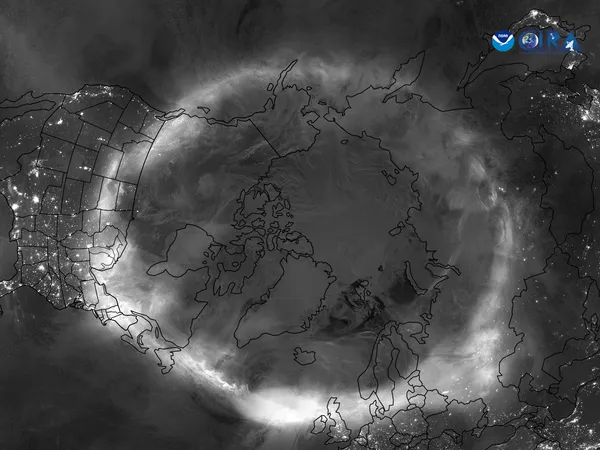
Aurora chance for Oregon tied to solar eruption and geomagnetic storm forecast
Residents in the Portland area may have a chance to see the northern lights late Monday night, Jan. 19, into early Tuesday, Jan. 20, as a strong geomagnetic storm is forecast to affect Earth. The event follows a powerful solar flare on Sunday, Jan. 18, that launched a coronal mass ejection toward Earth.
A severe geomagnetic storm watch (G4 on the NOAA scale) has been posted for the Jan. 20 UTC day, with storm levels potentially ranging lower—G1 to G3—around the time of arrival late Jan. 19 Eastern Time into early Jan. 20. Space-weather forecasters note that timing and intensity can shift as the solar wind structure reaches Earth, meaning visibility in Oregon may change quickly over the course of the night.
What Portland viewers can realistically expect
For Portland and much of the Willamette Valley, aurora viewing typically depends on both storm strength and local conditions. Even during strong events, city light pollution can reduce visibility, and the aurora may appear as a faint glow or pale arc low on the northern horizon rather than overhead curtains. Camera sensors often capture colors and structure that are difficult to see with the naked eye, particularly at lower latitudes.
Local sky conditions are expected to be favorable. Portland’s forecast calls for mostly sunny skies Monday with a low around 28°F, followed by partly sunny conditions Tuesday, supporting the potential for clear nighttime viewing if cloud cover remains limited.
When to look and where to go
The most likely viewing window is after nightfall Monday and into the pre-dawn hours Tuesday, when geomagnetic activity is expected to be elevated. Because auroral intensity can pulse, short-lived brightening may occur with little notice.
- Look north: Choose a location with a wide view of the northern horizon.
- Get away from city lights: Darker areas outside the urban core improve contrast and visibility.
- Use real-time aurora tools: Short-term forecasts update frequently and can indicate sudden increases or decreases in activity.
- Dress for winter conditions: Temperatures near freezing can make extended viewing uncomfortable without proper layers.
Space-weather forecasts provide a broad window of elevated activity, but exact timing and visibility at Portland’s latitude can change rapidly as solar wind conditions evolve.
Why the aurora is expanding south
Northern lights occur when charged particles from the Sun interact with Earth’s magnetic field and upper atmosphere. During stronger geomagnetic storms, the auroral oval expands, increasing the odds that mid-latitude locations—including parts of Oregon—can see auroral light, especially from dark vantage points with a clear northern sky.