New OPB film revisits Mulugeta Seraw’s 1988 Portland killing and its legal, civic legacy today
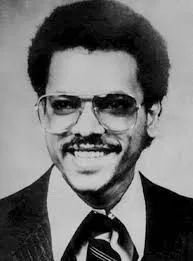
A documentary revisits a defining hate-crime case in Portland’s modern history
A new Oregon Public Broadcasting film, Remember Mulugeta: Confronting Hate in Portland, reexamines the 1988 killing of Mulugeta Seraw, an Ethiopian immigrant whose death became a turning point in how Portland confronted organized white supremacist violence and community responses to it.
The film is part of the long-running historical documentary series Oregon Experience and was scheduled to premiere Feb. 17, 2026, at the Hollywood Theatre. It is also set to begin streaming Feb. 18, 2026, with a television broadcast planned for March 30, 2026.
What happened in 1988 and why it drew national attention
Seraw, 28, was killed in Portland on Nov. 13, 1988, after an attack involving three neo-Nazi skinheads linked to a local group known as East Side White Pride. Court records and contemporaneous reporting describe an assault in which Seraw was struck with a baseball bat and suffered fatal head injuries. The case quickly became emblematic of a period when racist skinhead violence was visible in Portland’s street culture and political organizing.
The criminal cases resulted in convictions for the perpetrators, including a life sentence for Kenneth “Ken Death” Mieske, who later died in prison in 2011. Two others, Kyle Brewster and Steven Strasser, received lengthy prison sentences tied to manslaughter and assault convictions.
A landmark civil trial and its aftermath
The documentary’s second half focuses on the civil wrongful-death lawsuit that followed, in which Seraw’s family sought to hold not only the attackers but also higher-level organizers financially responsible. The case targeted Tom Metzger, his son John Metzger, and the White Aryan Resistance organization, arguing that the group’s recruitment and direction contributed to the violence in Portland.
The litigation is widely cited as an early example of using civil liability strategies to disrupt extremist organizations by cutting off assets and forcing sustained financial judgments.
A Portland jury returned a $12.5 million verdict in October 1990. Subsequent court actions focused on collection efforts, including proceedings related to assets and fundraising channels connected to the organization.
What the film adds
Producers Dan Evans and Nora Colie structure the film around archival material and interviews, including accounts from Seraw’s family and individuals involved in anti-racist organizing during the period. The film also revisits a recurring question raised in the public record: whether the violence that culminated in Seraw’s killing reflected primarily local conditions, outside influence from national extremist networks, or both.
- Focus on personal testimony from Seraw’s relatives and Portland-area community members.
- Reconstruction of late-1980s Portland through archival footage and contemporaneous context.
- Detailed treatment of the 1990 civil trial and the public tension surrounding it.
Why it resonates now
By anchoring its narrative in a specific crime date—Nov. 13, 1988—and tracing the legal and civic response through the October 1990 verdict, the film frames the Seraw case as a reference point for understanding how extremist movements organize, how communities mobilize, and how courts have been used to pursue accountability beyond criminal sentencing.