Mount Hood fatal fall near Devil’s Kitchen identifies 30-year-old Portland climber as Thomas Nathan Hostetler
Incident and identification
A 30-year-old Portland climber, Thomas Nathan Hostetler, died after a fall on Mount Hood on the morning of Sunday, January 25, 2026. He was identified the following day after authorities completed family notifications.
Emergency calls came in shortly before 10 a.m. after multiple witnesses reported seeing a climber fall an estimated 300 feet in the Devil’s Kitchen area, an exposed, high-alpine zone on the mountain’s south side used as part of common summit routes. Search-and-rescue teams were dispatched to the scene, and rescuers later confirmed the climber had died.
Rescue response and recovery
The response involved coordinated mountain rescue resources, including volunteer technical rescuers and a specialized wilderness medical team. Other climbers in the area reached Hostetler after the fall, but efforts to revive him were unsuccessful.
Because of terrain and winter mountain conditions, recovery operations on Mount Hood can require careful planning and specialized high-angle skills. In this case, rescuers were able to recover Hostetler’s body after reaching the site.
Where the fall occurred
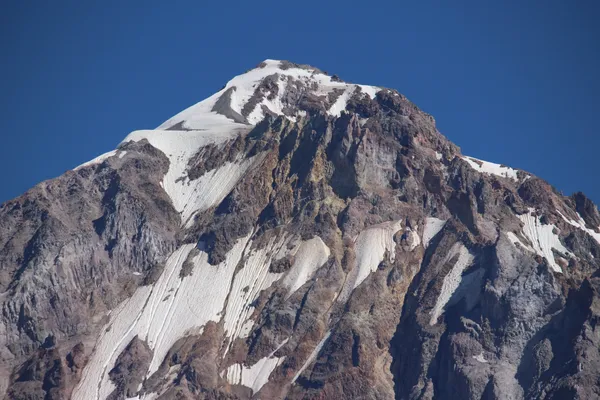
Devil’s Kitchen sits near the upper mountain on the south side and is known for steep slopes and rapidly changing conditions. The area is part of the broader crater region that climbers traverse on popular ascents. The mountain’s upper reaches can present hazards that include steep snow and ice, exposure to falls, and objective dangers that can intensify with weather shifts and temperature changes.
What is known and what remains unclear
Confirmed: Hostetler died following an estimated 300-foot fall on January 25, 2026, near Devil’s Kitchen on Mount Hood.
Confirmed: Witnesses reported the fall to 911 shortly before 10 a.m., prompting a search-and-rescue deployment.
Confirmed: Rescuers located Hostetler and determined he had died at the scene; recovery operations followed.
Not released publicly: Specific circumstances leading to the fall, including equipment used, route details, and whether snow, ice, rockfall, or other factors played a role.
Mount Hood’s upper mountain is routinely treated by rescue professionals as technical terrain where a short incident can become unrecoverable without immediate assistance.
Context for winter climbs on Mount Hood
Mount Hood is Oregon’s highest peak, and its upper slopes draw climbers year-round. Winter conditions can increase risks by adding hard ice, reduced visibility, and narrower margins for self-arrest after a slip. Rescue agencies and volunteer teams routinely emphasize preparation, route knowledge, and appropriate training when traveling in the crater and upper south-side terrain.
Authorities have not announced additional investigative findings about the January 25 incident. Further details, if released, would typically focus on clarifying the mechanism of the fall and any contributing environmental conditions.