McMenamins Moves to Add About 60 Hotel Rooms Near Crystal Ballroom in Downtown Portland
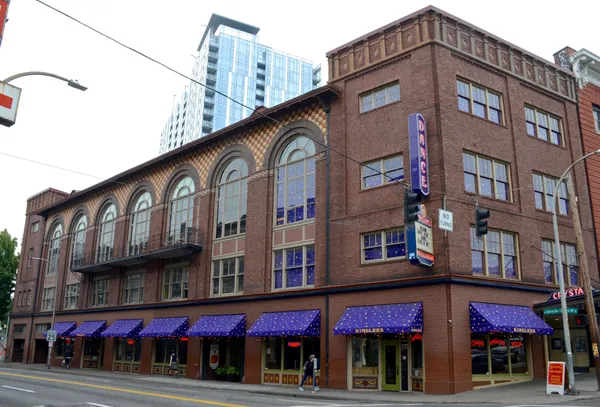
A redevelopment plan centered on a long-vacant historic building
McMenamins is moving forward with plans to create a new hotel in downtown Portland’s West End, outlining a conversion of the former Taft Home building into lodging. The project targets a four-story, early-20th-century property that previously operated as a residential care community and has been vacant since its closure in 2021.
The company acquired the building in June 2024 for $1.5 million through an entity tied to co-founder Michael McMenamin, based on county property records summarized in publicly reported transactions. The building is located at the southwest corner area of SW 13th Avenue and SW Washington Street, immediately adjacent to the block that includes McMenamins’ Crystal Ballroom venue.
What the permit and plans indicate so far
Project descriptions tied to the city’s permitting process describe converting the second through fourth floors into approximately 60 hotel rooms. The same materials indicate a plan for a coffee bar on the fourth floor. McMenamins has not publicly provided a construction start date, opening date, or detailed scope for the ground-floor space.
The site’s location places it within a tight cluster of McMenamins operations downtown, including the Crystal Hotel and Crystal Ballroom, both of which are positioned to draw visitors for live events and overnight stays. That proximity is a central feature of the project’s business logic: adding rooms where demand is often tied to entertainment schedules and weekend travel patterns.
Historic context and prior use
The property is widely known as the Taft Hotel/Taft Home and is listed on the National Register of Historic Places under its historic identity as the Hotel Ramapo. The building’s transition over time—from hotel to supportive housing and residential care—reflects broader shifts in downtown land use over decades.
Before its closure, the Taft Home housed low-income seniors and other residents receiving care services. Its shutdown left a high-visibility vacancy in a central corridor near cultural venues, transit, and retail. The conversion to hotel use, while adding tourism-related capacity, also represents a definitive change away from its most recent housing function.
Why this redevelopment stands out in Portland’s current market
The announcement lands amid a period of uneven recovery for downtown Portland’s commercial core, where office occupancy, street-level retail activity, and hospitality performance have been under sustained pressure since the pandemic era. At the same time, recent hotel-property sales and refinancing activity in the central city have underscored how dramatically valuations and operating assumptions can shift.
McMenamins’ approach—repurposing older, architecturally distinct buildings into hospitality and entertainment destinations—has been a consistent part of the company’s growth model in Oregon and Washington. In this case, the planned room count suggests a boutique-scale addition rather than a large-format hotel, with an emphasis on adaptive reuse rather than new construction.
- Planned conversion: second through fourth floors to about 60 rooms
- Additional element: proposed fourth-floor coffee bar
- Property status: vacant since 2021 closure of the Taft Home
- Location: West End, next to the Crystal Ballroom block
Key unknowns remain: a construction timeline, the intended use of the ground floor, and how the project will interface with neighborhood housing and preservation priorities.
For downtown Portland, the redevelopment will be closely watched as a practical signal of private-sector willingness to invest in hospitality in the city center—and as a test of whether event-driven demand can support additional rooms in the West End.