Landslide and suspected sinkhole close westbound NW Cornell Road near NW Eloise Lane, disrupting West Hills travel
What happened and where traffic is affected
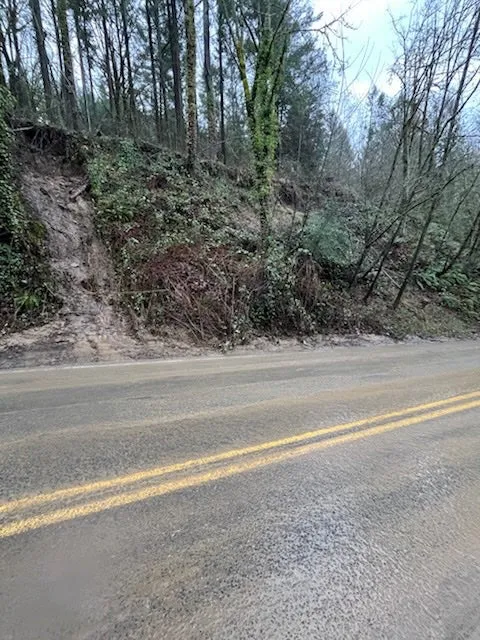
A landslide and a suspected roadway sinkhole have shut down the westbound side of NW Cornell Road near NW Eloise Lane, a corridor that carries commuters, neighborhood traffic, and transit riders across Portland’s West Hills. The closure has forced drivers to reroute onto nearby streets and has raised renewed concerns about slope stability in a part of the city known for weather-driven ground movement.
The affected area sits within a broader network of steep hillsides, underground drainage infrastructure, and narrow, winding roadways. In similar recent incidents in Northwest Portland, crews have closed segments of NW Cornell Road to allow daylight inspections by engineers and to reduce risks to workers and the public while debris is cleared and hillside conditions are assessed.
Why landslides and sinkholes tend to occur together
Transportation and infrastructure specialists typically treat landslides and sinkholes as related but distinct hazards. Landslides are often triggered by saturated soils on steep slopes, while sinkholes on roadways commonly indicate a loss of support under pavement—frequently linked to water intrusion, erosion of underlying material, or failure of underground pipes. When heavy rainfall is persistent, both risks can increase at the same time: hillsides can slump onto roadways while runoff and subsurface water weaken the ground beneath the street.
Operational response and what officials evaluate
In prior West Hills closures tied to rainfall-driven slides, city transportation crews have used a two-step approach: first, quickly closing the roadway to prevent vehicles from entering an unstable zone; second, conducting inspections during daylight hours to evaluate whether additional movement is likely. Maintenance teams then remove slide debris, check drainage pathways, and determine whether stabilization or emergency repairs are required before reopening lanes.
Road closures in slide areas are often extended or adjusted based on inspection results and the pace of debris removal and stabilization work.
What travelers should expect in the short term
Detours and localized congestion as drivers divert to other West Hills connections, particularly during commute hours.
Intermittent access limitations for nearby residents, depending on how work zones are staged and whether equipment must occupy travel lanes.
Possible service impacts for bus routes that use NW Cornell Road, including stop adjustments or temporary reroutes if closures expand.
What comes next
Reopening decisions typically depend on confirmation that the slope is stable, that stormwater is being safely conveyed, and that the pavement base is structurally sound. If a sinkhole is confirmed, repairs can require excavation, pipe assessment, backfill and compaction, and full-depth pavement restoration—work that can take longer than basic debris removal from a slide.
For now, travelers are advised to avoid the closure area, plan alternate routes, and use additional caution on nearby streets that may see higher volumes while westbound NW Cornell remains shut near NW Eloise Lane.