Human remains found in wooded area near Portland homeless shelter, prompting medical examiner identification process
Discovery triggers standard death-investigation procedures
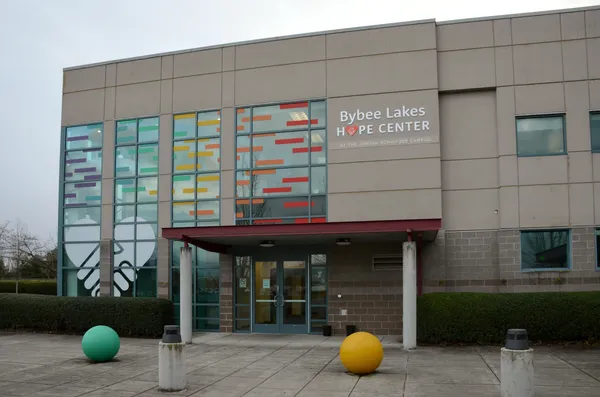
Human remains were discovered in a wooded area behind a homeless shelter in Portland, leading to a response from police and the Office of the Chief Medical Examiner. Investigators secured the area and began the formal process used in Maine when a deceased person is found outside a medical setting: confirming the recovery, transferring remains to the medical examiner, and determining identity, cause of death and manner of death.
Authorities have indicated that identification work can take time, particularly when remains are decomposed or have been exposed to the elements. In such cases, investigators typically rely on a combination of forensic methods, which may include fingerprinting when possible, dental comparisons, and DNA testing.
What is known about the location and immediate response
The wooded area sits near routes commonly used by people traveling to and from Portland’s shelter system and nearby services. Police have asked the public to provide information that could assist in determining who the person was and how the death occurred, a step that is routine when investigators are working with limited initial facts.
The discovery adds to a series of recent incidents in which people have been found dead outdoors in the Portland area, including in and around wooded corridors and trail systems near shelters and encampments. Those settings can complicate timelines and evidence collection because exposure can degrade physical indicators needed to reconstruct events.
Identification and cause-of-death findings may not align
In death investigations involving remains found outside, identity confirmation and cause-of-death determination often move on separate tracks. Identification may be possible even when the cause cannot be determined with confidence, particularly if key forensic evidence is no longer available.
Investigators also distinguish between a death that is “not suspicious” based on currently available evidence and a death that has been fully explained. Until an autopsy and forensic review are complete, officials generally avoid definitive statements about what happened.
Broader context: outdoor exposure and shelter-capacity pressures
Portland’s shelter network has faced recurring capacity strains during periods of severe winter weather, when the risks of hypothermia and medical crises increase for people sleeping outside. City and service providers have periodically expanded bed capacity and opened emergency warming sites during cold snaps, but demand has remained volatile.
Next investigative steps: medical examiner analysis to establish identity and assess cause and manner of death.
Law enforcement role: scene documentation, evidence collection when applicable, and follow-up leads from the public.
Public information: officials typically release additional details only after next-of-kin notification and preliminary findings.
If the person is identified, officials generally notify family before releasing a name, and may provide limited details until forensic work is complete.
The investigation remains active. Authorities have urged anyone with relevant information—particularly people who may have seen unusual activity near the wooded area or who believe they know someone missing—to contact police.