Fear of immigration enforcement drives cancellations and weak turnout at Portland Expo Center cultural festival
Event proceeds tied to student support nonprofit as vendors and performers pull out
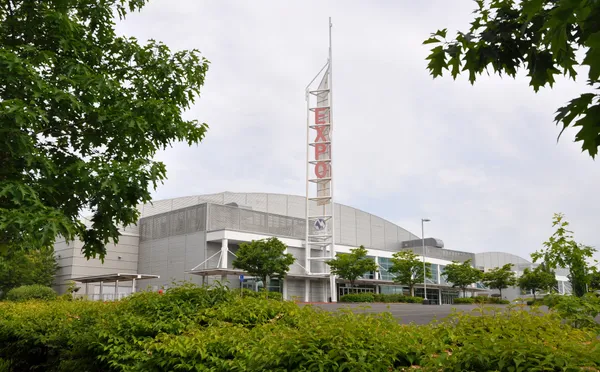
A cultural festival held at the Portland Expo Center on Sunday, January 25, 2026, ended early after a sharp drop in vendor participation and attendance that organizers attributed to heightened fear of immigration arrests. The annual “Tacos, Tequila and Tamales” event, typically a showcase for Latino-owned small businesses and community performances, drew markedly fewer families than in prior years.
Organizers said vendor cancellations accelerated in the lead-up to the event. In the previous year, the festival hosted more than 3,000 guests and about 50 vendors. This year, approximately 30 vendors appeared, and attendance was described as slim compared with past crowds.
Economic effects ripple to small businesses and workers
Several participating business owners described operational disruption extending beyond the festival itself. One vendor reported losing employees who stopped coming to work because they were afraid to leave home. Organizers said the reduced turnout directly affected sales for small businesses that rely on community events for revenue and customer outreach.
The festival’s proceeds support Latino Leadership NW, a nonprofit that provides services aimed at supporting young Latino students. Organizers said some families and participants expressed concern that attending a public event could expose relatives, workers or students to enforcement actions.
- Attendance fell sharply from last year’s reported level of more than 3,000 visitors.
- Vendor participation dropped from roughly 50 last year to about 30 this year.
- Multiple scheduled school-related performances were canceled, according to organizers.
Community anxiety amid broader enforcement and protest activity
The festival disruptions occurred in a wider regional context of heightened concern about immigration enforcement in and around Portland. In recent months, public demonstrations have repeatedly formed near the city’s immigration facility, and a range of federal agencies have been involved in enforcement operations and protest-related arrests. Separately, Portland police have reiterated in public statements that the bureau does not conduct immigration enforcement and that its role at demonstrations is focused on public safety and state law.
Organizers said callers canceling participation cited worries about putting families and students “in a hurtful situation.”
Uncertainty about next year’s festival
Organizers said it is unclear whether the festival can return in 2027 given the financial and logistical impact of the reduced turnout. Vendors who did attend described ongoing strain, including staffing challenges and fewer opportunities to connect with customers in public settings.
The event’s outcome highlights how fear tied to immigration enforcement can affect not only individual households, but also community institutions and local commerce—particularly for immigrant and Latino communities whose small businesses and cultural gatherings depend on predictable, safe public participation.