Deadly LaGuardia runway collision triggers major disruptions for Portland and Boston travelers on East Coast routes
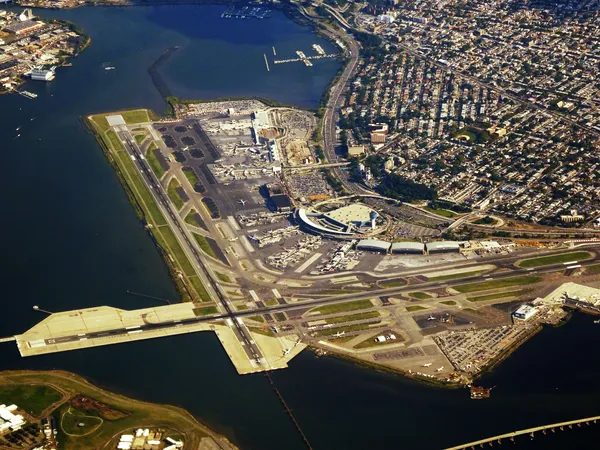
LaGuardia crash halts operations and forces widespread rebooking across Northeast air networks
A runway collision at New York’s LaGuardia Airport late Sunday, March 22, 2026, killed two pilots and temporarily shut down one of the nation’s most delay-prone domestic hubs, creating cascading disruptions that reached flights touching Portland and Boston routes.
The incident involved an Air Canada Express regional jet operated by Jazz Aviation. The aircraft struck an airport fire-rescue truck while landing shortly before midnight. Authorities said the pilots were killed and multiple passengers and crew were injured. LaGuardia suspended operations immediately after the crash, diverting inbound flights and stranding outbound travelers.
How the collision unfolded and what investigators are examining
Initial accounts indicate the fire-rescue truck was moving across an active runway in response to a separate report involving a concerning odor on another aircraft. Audio from air traffic communications captures a controller urgently instructing the truck to stop moments before impact, while also directing other aircraft to break off approaches.
Federal investigators opened an inquiry into the sequence of clearances and runway movements. The case is expected to focus on runway incursion safeguards, coordination between tower operations and emergency vehicle movements, and whether situational-awareness tools and standard procedures functioned as intended under time pressure.
Why Portland and Boston travelers felt the impact
LaGuardia’s role as a high-frequency business and connecting airport means even a short closure can ripple quickly through airline networks. When LaGuardia closed, aircraft and crews scheduled to rotate through New York were displaced, which can lead to knock-on cancellations, equipment swaps, and missed crew duty limits across the Northeast corridor.
Portland travelers were affected through disrupted LaGuardia-bound segments and onward connections routed through New York.
Boston-area schedules were affected as airlines rebalanced aircraft and diverted passengers to alternative gateways, including Boston Logan, when feasible.
Reaccommodation pressures increased on routes with limited daily frequencies, where a single cancellation can remove most same-day options.
Airport recovery: partial reopening, reduced capacity, and ongoing delays
Flights resumed Monday, March 23, with constrained runway availability and extensive delays as the airfield was inspected and the accident scene cleared. Reduced capacity typically forces airlines to meter departures and arrivals, prioritize certain rotations, and hold aircraft on the ground at origin airports to prevent terminal gridlock in New York.
With a key runway out of service, airlines and controllers often shift from full schedules to flow-control operations—slowing traffic to maintain safety margins while clearing backlogs.
What passengers can document during disruptions
Travelers departing Portland or Boston on itineraries involving LaGuardia can reduce rebooking friction by keeping a clear record of flight status changes and receipts for essential expenses during extended delays.
Save boarding passes, rebooking confirmations, and timestamped delay or cancellation notices.
Track baggage routing changes when flights are diverted or re-tagged to alternate airports.
Confirm whether rebooked itineraries include airport changes in New York (LaGuardia versus JFK or Newark), which may require additional ground transport.
Investigators are expected to release initial findings as the inquiry advances. In the meantime, airlines continue to adjust schedules across the region as LaGuardia returns to normal operating capacity.