Bomb squad responds after man’s arrest at Portland MAX station led to suspicious device discovery
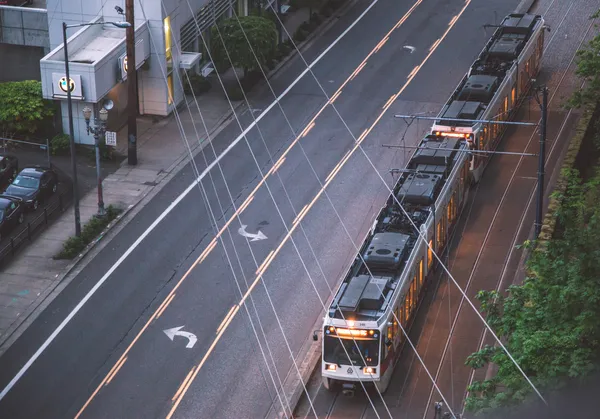
Incident centered on Interstate/Rose Quarter station near Moda Center
A police bomb squad response disrupted MAX service at Portland’s Interstate/Rose Quarter station after transit officers arrested a man and discovered what authorities described as a suspicious device. The station sits next to the Rose Quarter area and the Moda Center, a location that functions as a major transfer point for the region’s light-rail network.
TriMet issued a service alert on March 1, 2026, reporting that MAX Orange and Yellow line service was disrupted because of police activity at Interstate/Rose Quarter. The agency said shuttle buses would run between Interstate/Rose Quarter and Union Station/NW 5th & Glisan Street and warned riders to expect delays.
What is confirmed so far, and what remains unclear
Authorities confirmed that the arrest occurred at the Interstate/Rose Quarter MAX station and that a suspicious device was located on the man. The device was subsequently contained and removed from the scene by the bomb squad, allowing train movements through the area to resume.
Investigators had not publicly detailed the device’s composition, whether it contained explosives, or whether it was determined to be operational. Officials also had not released the suspect’s identity or clarified what initial circumstances prompted the encounter and arrest. No injuries were reported in the initial accounts of the incident.
Location: Interstate/Rose Quarter MAX station.
Transit impacts: Orange and Yellow lines disrupted; shuttle buses used temporarily.
Device status: contained and removed by bomb technicians.
How bomb-squad investigations typically proceed on transit systems
When suspicious devices are reported on or near transit property, agencies generally prioritize isolating the area, limiting access to platforms, and pausing service when needed to reduce risk to riders and employees. Bomb technicians commonly use protective containment and controlled handling methods before moving items for further examination.
In Portland, such incidents can also trigger inter-agency coordination because MAX platforms intersect with city streets, nearby businesses, and high-traffic venues. Even when devices turn out to be non-explosive, the potential consequences of a misassessment in a crowded transit setting often drive a cautious operational response.
Broader context: transit policing and safety measures
TriMet’s transit policing is organized as a multi-jurisdictional unit operating under the oversight of the Multnomah County Sheriff’s Office. In parallel, TriMet has been expanding emergency call stations with cameras and direct dispatcher access at MAX platforms, part of a wider set of measures intended to speed reporting and response to safety concerns.
MAX riders experiencing service disruptions are typically directed to agency alerts and station staff instructions for shuttle routing and delay estimates.
The investigation into the device and the circumstances leading to the arrest remained active at the time of publication.