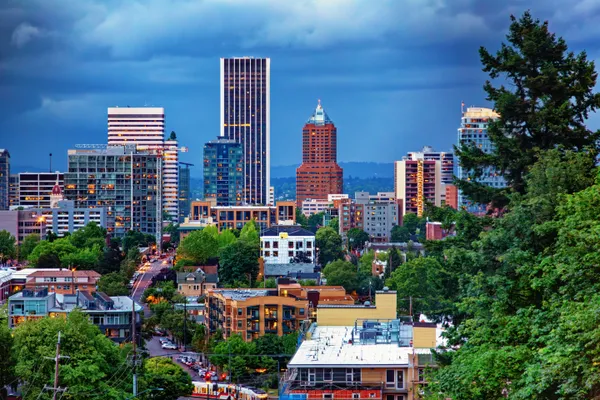
Big Pink buyer Jeff Swickard adds foreclosed downtown building, lifting Portland real-estate bets to $125 million
A high-profile acquisition wave in the city’s most stressed market
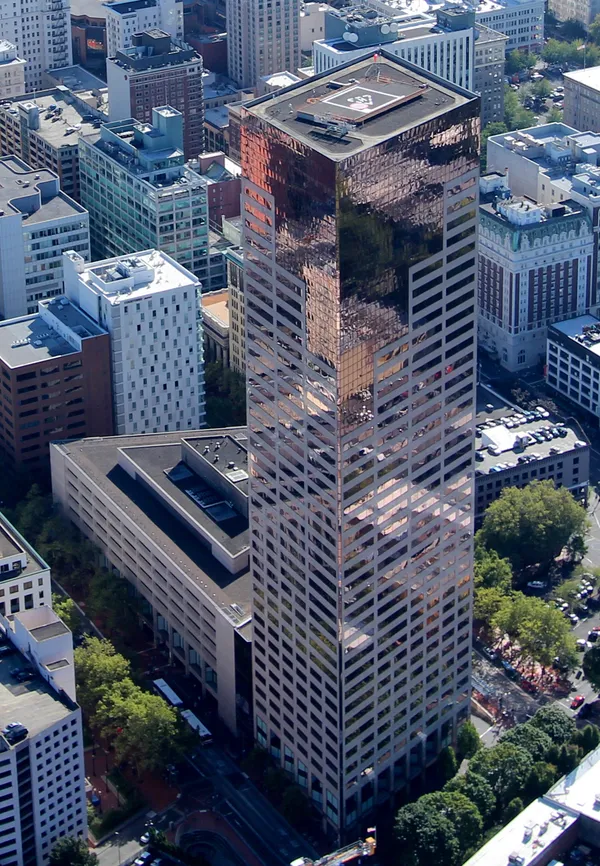
A Portland-area investor best known for acquiring the 42-story U.S. Bancorp Tower—widely called “Big Pink”—has expanded his downtown footprint with the purchase of a foreclosed office property, bringing his disclosed 2025 Portland-area real-estate commitments to about $125 million.
The moves come as downtown Portland’s office sector continues to reset after years of reduced in-person work, elevated vacancy, and steep repricing of large assets. The purchases are being closely watched as a signal of whether private capital believes the central business district is approaching a turning point.
Big Pink’s sale set a new benchmark for price declines
Big Pink, located at 111 SW 5th Ave., is Oregon’s largest office building by square footage. The 1.15-million-square-foot property was marketed in spring 2025 and sold in July 2025 in an all-cash transaction for about $45 million, a sharp decline from its prior 2015 sale price of roughly $372.5 million.
At the time of marketing, the building was reported at about 60% occupied, with its largest tenant, U.S. Bank, in the process of leaving—an expected hit to leased space that prospective owners would need to manage through a multi-year repositioning. Public statements surrounding the purchase indicated an intent to modernize the tower and compete for tenants through upgraded amenities and a service-oriented approach.
A foreclosed downtown property adds to the total bet
Following the Big Pink transaction, the same buyer acquired an additional foreclosed downtown office building, pushing his cumulative Portland-area real-estate spending for the year to about $125 million. Foreclosure sales typically reflect distress—either at the property level, the borrower level, or both—and often reset valuations below earlier loan balances or prior sale prices.
While details of the foreclosed asset’s tenancy, financing history, and renovation scope have not been uniformly disclosed, the purchase adds a second data point: capital is not only targeting marquee towers, but also smaller distressed buildings where a path to stabilization may hinge on leasing demand returning block by block.
What the transactions indicate about downtown’s next phase
Pricing has repriced dramatically: the Big Pink transaction represents one of the largest value resets in Portland office-market history, reflecting the wider national office downturn.
Repositioning, not quick resale, is central to the strategy: modernization and tenant attraction are expected to take time and sustained investment.
Foreclosure activity remains part of the downtown story: distressed acquisitions suggest continued financial pressure on certain owners and loans, even as new buyers look for long-term upside.
With Big Pink and a newly acquired foreclosed building, the investor’s disclosed Portland-area real-estate commitments for 2025 rise to about $125 million.
For the broader market, the key metrics to watch will be leasing velocity, net absorption, and the ability of newly recapitalized buildings to fund tenant improvements and compete on effective rent—factors that will determine whether headline transactions translate into a measurable downtown recovery.
Portland Morning Briefing: First Thursday Vibrations and Federal Court Watch

Winter Travel Advisory and Major Highway Construction Impact Thursday Commute